Thank you for writing to us. One of our executive will reach back to you through your submitted medium. In case there’s an urgency, feel free to connect over WhatsApp for faster response.
Prefer calling? Dial +918048034498 (International callers) or 08048034498 (Indian callers).
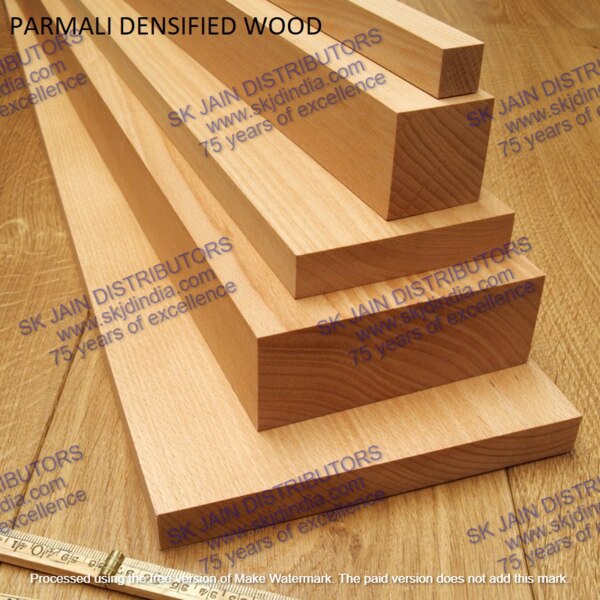
Densified Wood Laminates
These laminates are produced by treating beech wood veneers with Phenolic resin and then pressed under controlled pressure and temperature. By orienting veneers in cross or longitudinal manner products for specific applications are produced.
These products have excellent electrical insulating property, thermal insulation and good insulation in oil immersed applications in Transformers. Densified wood can withstand high mechanical load varying in temperatures. Special high density wood can be used for soft tool application for manufacture of Aircraft parts.
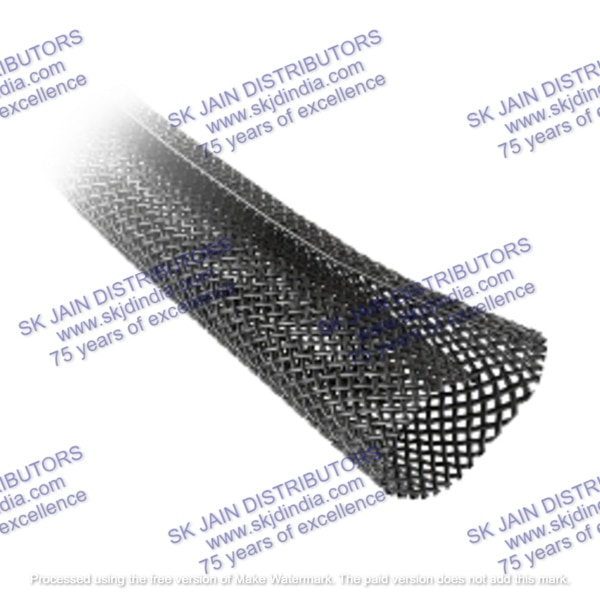
NYLON EXPANDABLE SLEEVING
At its core, nylon expandable sleeving is a flexible, braided tube typically made from tough nylon (polyamide) fibers. Its unique braided construction allows it to expand significantly – often several times its resting diameter – and then contract to snugly fit around whatever you enclose. This expandability is key. It means you can easily slide it over existing cables, wires, and even bulky connectors without the need for re-termination. Once in place, it creates a secure, protective cocoon. Why Choose Nylon Expandable Sleeving? The Benefits You Can’t Ignore
Unrivaled Protection: Nylon is known for its durability. This sleeving provides excellent resistance against:
Abrasion: Protects cables from rubbing against sharp edges or other surfaces.
Cuts & Nicks: A strong barrier against everyday wear and tear.
Mild Chemicals: Offers some protection against common solvents and oils.
Temperature Fluctuations: Maintains its integrity across a range of temperatures.
Superior Organization: Say goodbye to spaghetti junctions! Nylon sleeving allows you to:
Bundle neatly: Combine multiple wires, cables, and hoses into a single, manageable bundle.
Eliminate tangles: Prevents individual cables from snaring on each other.
Improve airflow: Organized cables often lead to better air circulation in electronics enclosures.
Effortless Installation: The “expandable” part is where the magic happens.
Slides easily: Can be quickly installed even over pre-existing connectors.
Flexible: Conforms to bends and curves without kinking or stressing cables.
Accommodates varying sizes: One sleeve can often cover a range of cable diameters.
Enhanced Aesthetics: Let’s face it, neat cables just look better. Nylon sleeving provides a clean, professional finish, transforming messy wires into sleek, organized lines. It’s often available in various colors to blend in or stand out as desired.
Durability & Longevity: Investing in nylon sleeving means extending the life of your cables. By protecting them from damage, you reduce the need for costly replacements or repairs down the line.
Where Can You Use It? Common Applications The versatility of nylon expandable sleeving makes it suitable for countless scenarios:
Home & Office: PC cable management, home theater systems, desk organization, behind TVs.
Automotive & Marine: Engine bays, dashboards, audio installations, boat wiring, protecting hoses.
Industrial & Manufacturing: Robotics, machinery wiring, control panels, sensitive equipment.
DIY & Pro Projects: Custom electronics builds, server racks, medical devices, arcade machines.
Audio/Video Equipment: Protecting valuable instrument cables, speaker wires, and studio setups.
Tips for Working with Expandable Sleeving
Measure Twice, Cut Once: Determine the exact length you need, accounting for any bends.
Use a Hot Knife: For the cleanest cut that prevents fraying, a hot knife is ideal. If unavailable, sharp scissors followed by quickly melting the ends with a lighter (carefully!) or applying heat shrink tubing will work.
Push and Feed: When installing, push the sleeving onto the cables rather than pulling it. This helps it expand and slide more easily.
Finish Strong: For a super clean and professional look, use heat shrink tubing or zip ties at the ends of the sleeve to secure it and prevent movement.
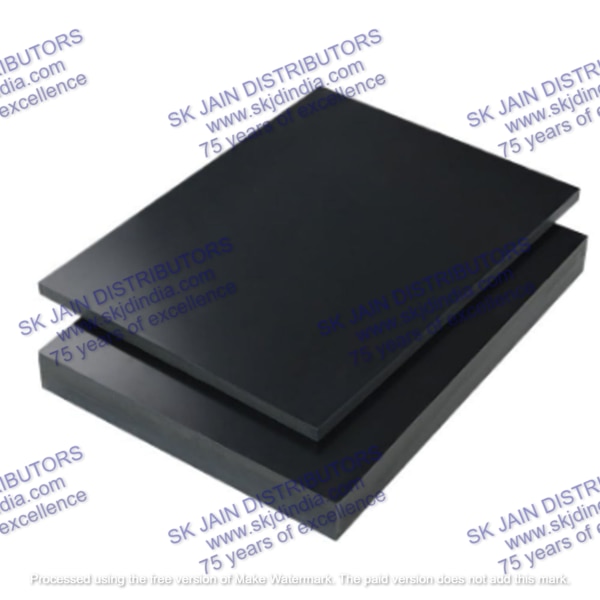
ESD Bakelite Sheets
Protecting Your Electronics: The Importance of ESD Bakelite Sheets in Orange and Black In today’s technologically driven world, electrostatic discharge (ESD) is a constant threat to sensitive electronic components. Even a seemingly minor discharge can cause significant damage, leading to costly repairs and downtime. That’s where ESD protective materials like ESD Bakelite sheets come into play. These specialized sheets are designed to dissipate static electricity, providing a safe working surface for handling delicate electronics. This article will explore the key features of ESD Bakelite sheets, focusing on the available sizes and color options. What is ESD Bakelite? Bakelite is a thermosetting phenolic resin material known for its durability, electrical insulation properties, and resistance to heat and chemicals. When treated with special conductive materials, Bakelite becomes an effective ESD-safe material. ESD Bakelite sheets are commonly used in electronics manufacturing, assembly, and repair environments. They provide a grounded path for static charges, preventing them from accumulating and causing damage. Why Use ESD Bakelite Sheets?
• ESD Protection: The primary function is to prevent electrostatic discharge from damaging sensitive electronics.
• Durable Work Surface: Bakelite is a rigid and durable material, ideal for creating workbenches, shelving, and other fixtures in sensitive environments.
• Chemical Resistance: Bakelite’s inert nature makes it resistant to many chemicals commonly used in industrial settings.
• Easy to Maintain: These sheets are easy to clean and maintain, ensuring a long lifespan.
Available Sizes ESD Bakelite sheets are available in multiple standard sizes to accommodate a variety of applications. The sizes typically available include:
• 4ft x 2ft: A smaller, versatile size suitable for smaller work areas or specific tasks. Can be used for lining shelves or creating smaller ESD-safe areas.
• 4ft x 4ft: A medium size that’s commonly used for creating personal or smaller workbenches.
• 4ft x 8ft: The largest standard size, often used for covering larger workbenches or creating designated, extensive ESD-safe zones.
These standard sizes provide flexibility in creating the desired work area or application. However, it is always beneficial to confirm with your supplier if you have other size needs. Color Options: Orange and Black ESD Bakelite sheets are commonly available in two color options:
• Orange: Often the standard color, providing visual identification of an ESD-protected area. The bright color is easily noticeable, helping to remind workers of the necessary precautions.
• Black: A darker option used when a less conspicuous appearance is desired and is also easier to use when working with bright LED lights.
The choice between orange and black is often a matter of personal preference, aesthetic needs, and the specific requirements of your workplace. Both colors offer the same level of ESD protection. Applications ESD Bakelite sheets are widely used in:
• Electronics Manufacturing: For workbenches, assembly lines, and storage areas.
• Semiconductor Industry: For handling highly sensitive chips and components.
• Repair Facilities: For protecting electronics during repair and maintenance.
• Laboratories: In areas where sensitive electronic equipment is used.
• Hobbyist Electronics Spaces: Creating a safe environment for building electronics.
ESD bakelite sheet is a specialized electrostatic discharge-safe laminate used to protect sensitive electronic components, workbenches, jigs, and fixtures from static damage in industrial and electronic manufacturing environments. ESD bakelite sheet combines high mechanical strength with controlled surface resistivity, making it ideal for PCB assembly lines, testing fixtures, and precision tooling in ESD-safe work areas. ESD bakelite sheet helps factories, repair centers, and laboratories improve product reliability, reduce failure rates, and comply with ESD safety practices.
What is ESD Bakelite Sheet?
ESD bakelite sheet is a high-pressure phenolic laminate engineered with electrostatic discharge control properties for use in electronics and industrial applications. ESD bakelite sheet is manufactured from layers of impregnated paper or fabric combined with phenolic resin and conductive or dissipative additives to control static build-up. ESD bakelite sheet is designed to maintain stable electrical properties while offering excellent dimensional stability, machinability, and mechanical strength for demanding environments.
Key Features of ESD Bakelite Sheet
ESD bakelite sheet offers a unique combination of electrical, mechanical, and thermal characteristics suitable for static-sensitive areas.
High mechanical strength suitable for fixtures, jigs, and structural parts.
Controlled surface resistivity for safe dissipation of static charges in ESD-protected zones.
Good dimensional stability and low moisture absorption for consistent performance over time.
Excellent machinability for CNC routing, drilling, milling, and custom fabrication.
Good heat resistance suitable for soldering environments and PCB processing areas.
Durable surface resistant to wear, abrasion, and common industrial handling.
ESD bakelite sheet is available in multiple thicknesses and sizes, allowing easy customization for benches, shelves, trays, and tooling plates. ESD bakelite sheet can be precisely machined to create complex profiles, slots, and mounting points required in electronics manufacturing and testing setups.
Applications of ESD Bakelite Sheet
ESD bakelite sheet is widely used wherever electrostatic discharge control and mechanical rigidity are required together.
Workbench tops and table surfaces in ESD-safe electronic assembly lines.
PCB assembly fixtures, soldering jigs, and inspection fixtures.
Test jigs and holders for electronic components and modules.
Machine base plates, insulation plates, and mounting panels in control cabinets.
Storage racks, shelves, and trays for sensitive electronic components.
Spacer plates, adapter plates, and support structures inside test equipment.
In modern electronics manufacturing, ESD bakelite sheet plays a critical role in protecting ICs, microcontrollers, sensors, and other static-sensitive parts from latent and catastrophic ESD damage. ESD bakelite sheet helps minimize rework, rejects, and warranty failures arising from uncontrolled electrostatic discharge events.
Benefits of Using ESD Bakelite Sheet
Using ESD bakelite sheet in industrial and electronic facilities offers multiple operational, quality, and safety benefits.
Protects sensitive electronic components from static damage during assembly and testing.
Reduces product failures and improves long-term reliability of electronic devices.
Supports compliance with ESD-safe handling practices in production environments.
Provides strong, rigid, and long-lasting work surfaces and fixtures.
Improves process stability by offering consistent electrical and mechanical behavior.
Reduces maintenance frequency due to abrasion-resistant and durable surfaces.
Because ESD bakelite sheet is both structural and ESD-safe, it eliminates the need for separate mechanical and ESD layers in many designs. ESD bakelite sheet can directly replace standard bakelite or non-ESD laminates in areas where electrostatic control is required, simplifying design and reducing complexity.
ESD Bakelite Sheet in Workstations and Benches
ESD bakelite sheet is an excellent material choice for ESD workstations and benches in production lines, service centers, and labs.
Used as the primary tabletop material for assembly and inspection benches.
Provides a hard, flat working surface that safely dissipates static charges.
Works seamlessly with ESD wrist straps, mats, and grounding systems.
Resistant to solder splashes, tools, and repeated component handling.
When used as bench tops, ESD bakelite sheet offers a clean, professional appearance while delivering reliable antistatic performance. ESD bakelite sheet can be fabricated with cutouts, cable slots, and mounting points for tools, monitors, and test instruments.
ESD Bakelite Sheet for Fixtures and Jigs
ESD bakelite sheet is widely chosen for building custom fixtures and jigs in electronics manufacturing.
Ideal for PCB holding fixtures in wave soldering, reflow, and manual soldering stations.
Suitable for alignment jigs, testing nests, and specific component positioning tools.
Maintains dimensional accuracy under operational loads and temperatures.
Because ESD bakelite sheet can be machined with high precision, it is easy to produce repeatable fixtures that hold boards and components securely without generating static. ESD bakelite sheet helps ensure uniform processing and consistent assembly quality.
Material Properties of ESD Bakelite Sheet
ESD bakelite sheet typically exhibits:
High flexural and compressive strength for reliable load-bearing performance.
Stable surface resistivity in the dissipative range for controlled discharge.
Good electrical insulation properties where needed outside ESD path design.
Resistance to many industrial chemicals, oils, and solvents.
These properties make ESD bakelite sheet suitable not only for ESD protection but also for general high-performance industrial applications where rigidity, insulation, and controlled static behavior are important.
Design and Fabrication Considerations
When using ESD bakelite sheet in projects, several design factors should be considered:
Choose thickness based on load, span, and stiffness requirements.
Ensure proper grounding connections where ESD control is required.
Avoid sharp corners and stress concentrators during machining.
Use appropriate cutting tools and feeds to achieve smooth edges.
ESD bakelite sheet can be processed with standard woodworking and plastic-processing tools, making fabrication efficient and cost-effective. Proper design and grounding ensure that ESD bakelite sheet fully delivers its static control and mechanical performance.
FAQs on ESD Bakelite Sheet
1. What is ESD bakelite sheet used for?
ESD bakelite sheet is used for ESD-safe workbenches, PCB fixtures, jigs, test setups, and structural components in electronic manufacturing and assembly areas. ESD bakelite sheet sheet protects sensitive devices from electrostatic discharge while providing strong and stable mechanical support.
2. How is ESD bakelite sheet different from normal bakelite sheet?
Normal bakelite sheet offers mechanical strength and insulation but does not control static discharge. ESD bakelite sheet is specially formulated with controlled surface resistivity to dissipate static charges safely, making it suitable for ESD-protected areas and electronics handling environments.
3. Can ESD bakelite sheet be machined?
Yes, ESD bakelite sheet can be machined using conventional tools such as saws, drills, mills, and routers. ESD bakelite sheet supports precise fabrication of complex fixtures, slots, holes, and contours, enabling custom solutions for specific production and testing needs.
4. Is ESD bakelite sheet suitable for high-temperature applications?
ESD bakelite sheet offers good thermal resistance and is suitable for many electronics processes, including environments near soldering and PCB handling. However, operating temperature limits depend on specific grade and thickness, so the suitability of ESD bakelite sheet should be matched with the process temperature.
5. How do you clean and maintain ESD bakelite sheet?
ESD bakelite sheet can generally be cleaned using mild, non-abrasive cleaners and soft cloths. Harsh chemicals and abrasive pads should be avoided to preserve the surface and ESD properties. Regular cleaning keeps ESD bakelite sheet working surfaces efficient and helps maintain stable static control.
6. Do I still need ESD wrist straps and other protection if I use ESD bakelite sheet?
ESD bakelite sheet is a crucial part of an ESD control system but does not replace other measures. ESD wrist straps, footwear, grounding points, and proper handling procedures should still be used along with ESD bakelite sheet to maintain a complete ESD-safe environment.
7. Can ESD bakelite sheet be used outdoors?
ESD bakelite sheet is primarily designed for indoor industrial and electronic environments. For outdoor use, exposure to UV, moisture, and weather must be evaluated against the specific grade of ESD bakelite sheet and its recommended operating conditions.
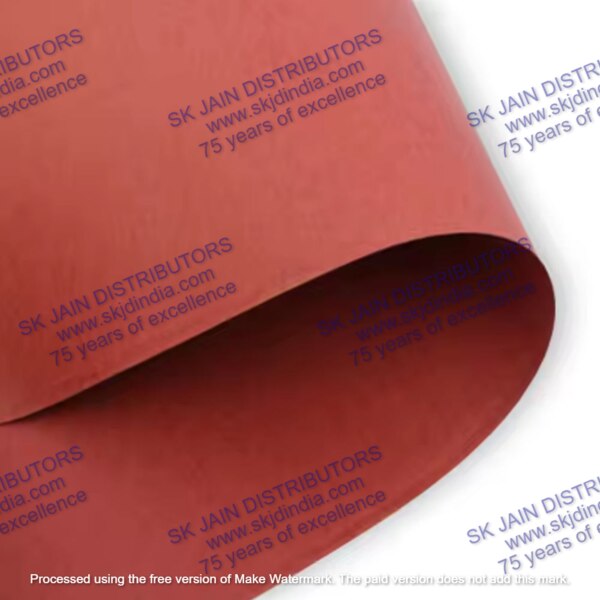
VULCANISED RED FIBRE SHEETS
Vulcanised red fibre sheets are versatile materials widely used in various industrial applications due to their exceptional properties. These sheets are composed of cellulose fibres that are chemically treated and vulcanised to enhance their durability and resistance to heat, chemicals, and wear.
Applications
Vulcanised red fibre sheets find numerous applications across various industries, including:
Gaskets: Used in sealing applications to prevent leakage between components in pipes, pumps, and other equipment.
Washers: Placed between bolts and nuts to distribute pressure and prevent loosening due to vibration.
Electrical Insulation: Provides electrical isolation and protection in electrical components, such as transformers and switchboards.
Shims: Thin sheets used to adjust the spacing or alignment of components.
Linings and Coverings: Used as protective coatings for tanks, vessels, and piping systems to resist corrosion and abrasion.
Benefits
Vulcanised red fibre sheets offer several advantages that make them suitable for demanding industrial applications:
High Temperature Resistance: Withstand temperatures up to 250°C (482°F), making them ideal for use in high-heat environments.
Chemical Resistance: Resistant to a wide range of chemicals, including acids, alkalis, and solvents, ensuring their integrity in corrosive environments.
Wear Resistance: Exhibit excellent wear resistance, making them suitable for applications involving friction and abrasion.
Electrical Insulation: Provide good electrical insulation, offering protection against electrical shocks and short circuits.
Flexibility: Despite their durability, these sheets are flexible enough to be cut and shaped into various forms.
Cost-Effective: Vulcanised red fibre sheets are typically cost-effective compared to other materials used for similar applications.
Types
Vulcanised red fibre sheets are available in different grades and thicknesses to meet specific application requirements:
Standard Grade: General-purpose sheets suitable for most applications.
High-Density Grade: Offers enhanced chemical resistance and durability.
High-Temperature Grade: Withstands higher temperatures than standard grades.
Reinforced Grade: Incorporates a reinforcing agent for increased strength and rigidity.
Selection Criteria
When selecting vulcanised red fibre sheets, consider the following factors:
Application Requirements: Determine the temperature, chemical resistance, and wear resistance required.
Thickness and Size: Choose the appropriate thickness and dimensions to suit the application.
Grade: Select the grade that best meets the specific performance requirements.
Certifications: Ensure that the sheets meet industry standards and certifications, such as ASTM D1196.
Conclusion
Vulcanised red fibre sheets are versatile and valuable materials with exceptional properties, making them suitable for a wide range of industrial applications. Their resistance to heat, chemicals, wear, and electricity, combined with their flexibility and cost-effectiveness, make them a preferred choice for various sealing, insulation, and protective applications. “`
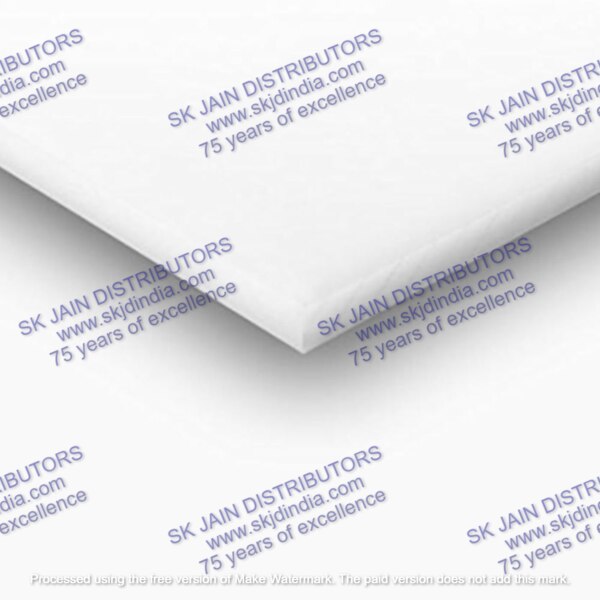
Delrin Sheet – High Performance Acetal Plastic Sheets | SKJD India
Delrin Sheet, also known as Acetal Sheet, is a high-performance engineering thermoplastic known for its exceptional strength, stiffness, and dimensional stability. At SKJD India, we supply premium-quality Delrin Sheets that offer excellent machinability and durability, making them ideal for precision components across various industrial applications.
Properties of Delrin Sheets
Delrin (polyoxymethylene or POM) is a semi-crystalline polymer that combines the strength of metal with the lightweight properties of plastic. Some key properties of Delrin Sheets include:
High Mechanical Strength and Rigidity: Delrin sheets maintain excellent structural integrity even under heavy loads, making them ideal for load-bearing and high-tension parts.
Low Friction and Excellent Wear Resistance: With its naturally slippery surface, Delrin offers superior wear resistance and is perfect for applications involving continuous motion or sliding parts.
Dimensional Stability: Delrin retains its shape and size even under varying temperature and humidity conditions, ensuring consistent performance in precision engineering.
Chemical and Moisture Resistance: Delrin sheets resist a wide range of solvents, fuels, and chemicals, as well as moisture absorption, making them suitable for harsh industrial environments.
Good Electrical Insulation: Delrin has strong insulating properties, making it ideal for electrical and electronic components.
Applications of Delrin Sheets
Because of their versatile properties, Delrin Sheets are widely used across numerous industries, including:
Automotive Industry: Used for gears, fuel system components, bearings, and safety restraint system parts.
Machinery and Equipment: Ideal for bushings, rollers, cams, and precision mechanical parts that require high dimensional accuracy.
Electrical and Electronics: Used in insulators, switches, and connectors due to its excellent electrical resistance.
Food Processing Industry: FDA-compliant Delrin grades are used for conveyor parts, food handling equipment, and mechanical guides.
Textile and Packaging: Commonly used for components that demand low friction and smooth operation under repetitive use.
Benefits of Using Delrin Sheets
Choosing Delrin Sheet from SKJD India ensures you receive a material that offers:
Superior Strength and Durability
Smooth Surface Finish for Low Friction Applications
High Resistance to Wear and Tear
Excellent Machinability for Complex Components
Long Service Life and Cost Efficiency
Consistent Dimensional Accuracy
Why Choose SKJD India for Delrin Sheets?
At SKJD India, we are committed to delivering top-quality Delrin Sheets that meet international standards. Our materials undergo rigorous quality checks to ensure high performance, consistency, and reliability in every application. Whether you need Delrin Sheets in standard sizes or custom-cut dimensions, we provide flexible solutions to suit your needs.
Conclusion
Delrin Sheets are one of the most reliable and versatile engineering plastics available today. Their combination of strength, stiffness, low friction, and dimensional stability makes them a preferred choice in automotive, mechanical, and electrical industries. At SKJD India, we supply high-quality Delrin Sheets that meet the demanding requirements of modern manufacturing.
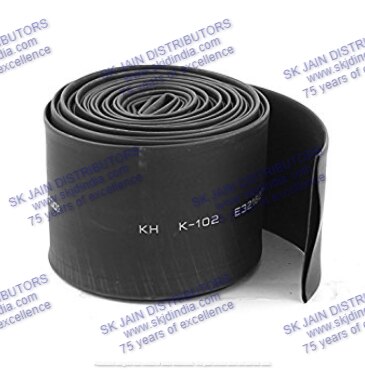
Heat Shrink Sleeve LT – Low-Temperature Insulation and Protection | SKJD India
Heat Shrink Sleeve LT (Low-Temperature Heat Shrink Sleeve) is a high-quality electrical insulation and protective tubing designed for applications requiring low-temperature shrinkage. At SKJD India, we offer premium-grade Heat Shrink Sleeve LT that provides reliable insulation, protection against moisture, abrasion, and mechanical damage, making it ideal for electronics, automotive, and industrial applications. Our Heat Shrink Sleeve LT is easy to install, flexible, and durable, ensuring long-lasting performance in a variety of low-temperature environments.
Properties of Heat Shrink Sleeve LT
Heat Shrink Sleeve LT is engineered to provide superior protection and insulation while shrinking at lower temperatures. Key properties include:
Low Temperature Shrinkage: Designed to shrink and seal efficiently at lower heat levels, protecting sensitive components from thermal damage.
Electrical Insulation: Provides excellent dielectric strength for safe and reliable insulation of wires, terminals, and connectors.
Moisture and Dust Protection: Creates a tight seal that protects against moisture, dust, and other environmental contaminants.
Chemical and Abrasion Resistance: Resistant to oils, solvents, and mechanical wear, ensuring long-term durability in industrial applications.
Flame Retardant: Many variants are flame-retardant, adding an extra layer of safety to your electrical systems.
Flexible and Lightweight: Easy to handle and apply even on complex assemblies while maintaining flexibility and toughness.
Applications of Heat Shrink Sleeve LT
Thanks to its unique low-temperature properties, Heat Shrink Sleeve LT is widely used across several industries:
Electrical and Electronics: Insulation of delicate wires, terminals, connectors, and circuit boards.
Automotive Industry: Protects sensors, wiring harnesses, and connectors from moisture and abrasion.
Telecommunication: Used for protecting low-voltage cables and fiber optic connections.
Industrial Equipment: Ideal for insulating and sealing control panels, switches, and low-temperature machinery.
Renewable Energy and Solar Systems: Ensures safe insulation and protection for sensitive electrical connections in solar and wind installations.
Home Appliances: Provides insulation for low-voltage components and connectors.
Benefits of Heat Shrink Sleeve LT
Choosing Heat Shrink Sleeve LT from SKJD India provides several advantages:
Shrinks efficiently at low temperatures, protecting sensitive components
Excellent electrical insulation and dielectric strength
Protection from moisture, dust, and mechanical wear
Flame-retardant and chemical-resistant for safety and durability
Flexible, lightweight, and easy to install
Available in various diameters, lengths, and colors
Why Choose SKJD India for Heat Shrink Sleeve LT?
At SKJD India, we offer premium Heat Shrink Sleeve LT designed to meet industrial-grade performance standards. Our products are available in multiple sizes, colors, and shrink ratios to suit your specific applications. We ensure high-quality material, reliable performance, and timely delivery for all your electrical insulation needs.
Conclusion
Heat Shrink Sleeve LT is a reliable solution for low-temperature electrical insulation, environmental protection, and mechanical safeguarding. With its low-temperature shrink capability, chemical resistance, and flexibility, it is ideal for electronics, automotive, telecommunication, and industrial applications. Choose SKJD India for high-quality Heat Shrink Sleeve LT designed for safety, durability, and efficiency.
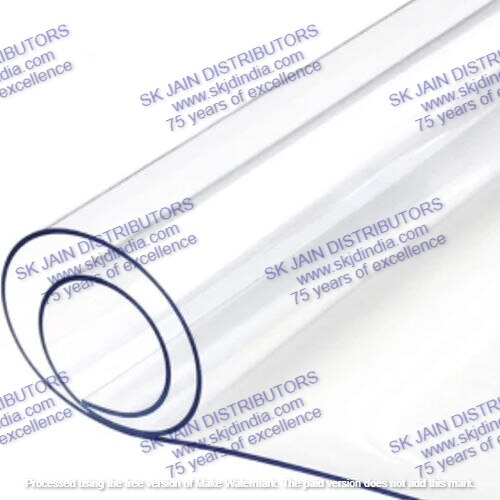
PVC FLEXIBLE SHEETS , (GASKETS, TANK LINNING & CURTAIN)
Polyvinyl chloride (PVC) flexible sheets have become an essential material in various industries due to their durability, flexibility, and resistance to chemicals. They are widely used in the manufacturing of gaskets, tank linings, and curtains, among other applications. This article provides a comprehensive guide to PVC flexible sheets, their properties, and their applications in gaskets, tank linings, and curtains.
Properties of PVC Flexible Sheets
PVC flexible sheets are made from a thermoplastic polymer that is highly resistant to chemicals, weather, and abrasion. They are available in a wide range of thicknesses, colors, and sizes, making them suitable for various applications. Some of the key properties of PVC flexible sheets include:
Chemical Resistance: PVC flexible sheets are highly resistant to a wide range of chemicals, including acids, alkalis, and solvents. This makes them ideal for use in harsh chemical environments.
Flexibility: PVC flexible sheets are highly flexible, allowing them to be easily bent, folded, or shaped to fit various applications.
Durability: PVC flexible sheets are highly durable and can withstand harsh environmental conditions, including extreme temperatures, UV radiation, and moisture.
Cost-Effective: PVC flexible sheets are relatively inexpensive compared to other materials, making them a cost-effective solution for various applications.
Applications of PVC Flexible Sheets
PVC flexible sheets are widely used in various industries due to their versatile properties. Some of the common applications of PVC flexible sheets include:
Gaskets: PVC flexible sheets are commonly used in the manufacturing of gaskets due to their excellent chemical resistance and flexibility. They are used in various industries, including automotive, aerospace, and chemical processing.
Tank Linings: PVC flexible sheets are used as tank linings in various industries, including chemical processing, food and beverage, and water treatment. They provide a durable and chemical-resistant lining that protects the tank from corrosion and contamination.
Curtains: PVC flexible sheets are used in the manufacturing of curtains for various applications, including industrial, commercial, and residential. They provide a durable and weather-resistant solution that can withstand harsh environmental conditions.
Conclusion
PVC flexible sheets are a versatile and cost-effective material that is widely used in various industries. Their excellent chemical resistance, flexibility, and durability make them ideal for use in gaskets, tank linings, and curtains. By understanding the properties and applications of PVC flexible sheets, manufacturers can make informed decisions when selecting materials for their products.
PVC FLEXIBLE SHEETS , (GASKETS, TANK LINNING & CURTAIN)
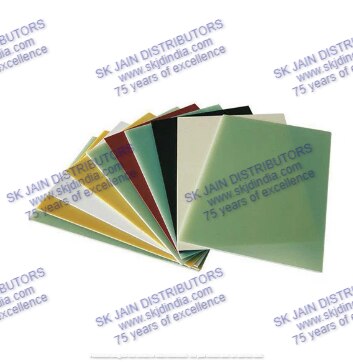
Fiberglass epoxy sheets, tubes, and rods have become an integral part of various industries due to their exceptional mechanical and electrical properties. These materials are widely used in applications that require high strength, durability, and resistance to harsh environments. This article discusses the different grades of fiberglass epoxy materials, their mechanical and electrical properties, and how they meet international standards such as NEMA, BS, DIN, and IEC.
Grades of Fiberglass Epoxy Materials
Fiberglass epoxy materials are available in various grades, each with unique properties suitable for specific applications. Here are some of the most common grades:
G-10 Epoxy: G-10 epoxy is a high-strength, non-conductive material made from woven fiberglass cloth impregnated with epoxy resin. It is widely used in electrical insulation applications due to its excellent dielectric strength, low moisture absorption, and resistance to chemicals and corrosion.
FR4 Epoxy: FR4 epoxy is a flame-retardant grade of fiberglass epoxy material that is widely used in the electronics industry. It is known for its excellent mechanical and electrical properties, including high strength, low moisture absorption, and good thermal stability. FR4 epoxy is commonly used in printed circuit boards (PCBs) and other electronic components.
G-11 Epoxy: G-11 epoxy is a high-strength, non-conductive material similar to G-10 epoxy but with a higher glass content. It is used in applications requiring higher mechanical strength and rigidity, such as structural components in the aerospace and automotive industries.
NEMA Grades: The National Electrical Manufacturers Association (NEMA) has established a series of grades for fiberglass epoxy materials, each with specific mechanical and electrical properties. These grades include NEMA GPO-1, GPO-2, GPO-3, and GPO-4, designed for various electrical insulation applications.
Mechanical and Electrical Properties
Fiberglass epoxy materials exhibit excellent mechanical and electrical properties, making them suitable for a wide range of applications. Some of these properties include:
High Strength: Fiberglass epoxy materials have a high strength-to-weight ratio, making them ideal for applications that require lightweight yet strong components.
Low Moisture Absorption: These materials have low moisture absorption rates, helping maintain their mechanical and electrical properties in humid environments.
Chemical and Corrosion Resistance: Fiberglass epoxy materials are resistant to most chemicals and corrosive environments, making them suitable for use in harsh industrial settings.
Dielectric Strength: These materials have excellent dielectric strength, making them suitable for electrical insulation applications.
Thermal Stability: Fiberglass epoxy materials have good thermal stability, allowing them to maintain their mechanical and electrical properties at elevated temperatures.
International Standards
Fiberglass epoxy materials are designed to meet various international standards, ensuring their quality, safety, and performance in different applications. Some of the most common standards include:
NEMA: The National Electrical Manufacturers Association (NEMA) establishes standards for electrical equipment and materials, including fiberglass epoxy materials. NEMA grades are designed to meet specific requirements for electrical insulation applications.
BS: The British Standards (BS) organization sets standards for various products and materials, including fiberglass epoxy materials, ensuring they meet specific mechanical and electrical requirements.
DIN: The Deutsches Institut für Normung (DIN) is a German standards organization that establishes standards for various products and materials, including fiberglass epoxy materials. DIN standards ensure that these materials meet specific mechanical and electrical requirements.
IEC: The International Electrotechnical Commission (IEC) is an international standards organization that establishes standards for electrical equipment and materials, including fiberglass epoxy materials. IEC standards ensure that these materials meet specific mechanical and electrical requirements for global markets.
Conclusion
Fiberglass epoxy sheets, tubes, and rods are versatile materials offering excellent mechanical and electrical properties, making them suitable for a wide range of applications. These materials are available in various grades, each with unique properties designed to meet specific requirements. By meeting international standards such as NEMA, BS, DIN, and IEC, fiberglass epoxy materials ensure their quality, safety, and performance in various industries.
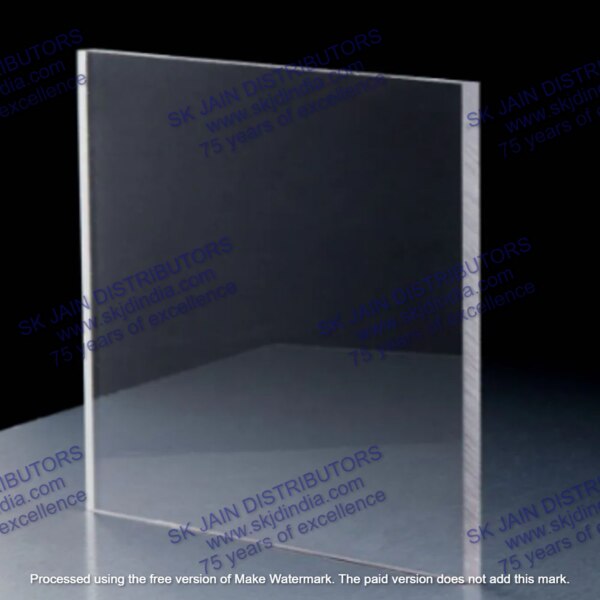
Properties of Polycarbonate Rods and Sheets Polycarbonate rods and sheets exhibit several key properties: 1. **High Impact Resistance:** Exceptional toughness, ideal for applications requiring durability and safety. 2. **Transparency:** Highly transparent, suitable for applications where visibility is crucial. 3. **Thermal Stability:** Withstands a wide range of temperatures, suitable for indoor, outdoor, and extreme environments. 4. **Chemical Resistance:** Resistant to acids, alkalis, and solvents, making it suitable for chemical processing and storage. 5. **Flame Retardancy:** Inherently flame retardant, making it safer for applications where fire safety is a concern. ### Applications of Polycarbonate Rods and Sheets Polycarbonate rods and sheets find use in various industries and applications, including: 1. **Automotive:** Headlight lenses, instrument panels, and interior trim. 2. **Aerospace:** Aircraft windows, canopies, and components. 3. **Electronics:** Connectors, switches, and housings. 4. **Construction:** Architectural glazing, roofing, and cladding systems. 5. **Medical:** Syringes, IV tubing, and surgical instruments. ### Benefits of Polycarbonate Rods and Sheets The use of polycarbonate rods and sheets offers several benefits: 1. **Lightweight:** Significantly lighter than traditional materials like glass and metal. 2. **Cost-Effective:** Generally more affordable than other high-performance materials. 3. **Design Flexibility:** Easily molded, cut, and shaped for greater customization. 4. **Sustainability:** Recyclable, making it environmentally friendly. ### Manufacturing Process Polycarbonate rods and sheets are typically produced through an extrusion process, where molten polycarbonate is forced through a die to create a continuous rod or sheet. The extruded material is then cooled, solidified, and cut to the desired length or thickness. ### Comparison to Other Materials When compared to other materials, polycarbonate rods and sheets offer advantages such as: 1. **Superior Strength:** Stronger than glass and many other plastics. 2. **Better Transparency:** More transparent than acrylic and many other plastics. 3. **Enhanced Chemical Resistance:** More resistant to chemicals than many other plastics. ### Conclusion Polycarbonate rods and sheets are versatile, high-performance materials suitable for a wide range of applications across various industries. Their combination of high strength, transparency, thermal stability, and chemical resistance makes them ideal for automotive, aerospace, electronics, construction, and medical applications. With their lightweight nature, design flexibility, and cost-effectiveness, polycarbonate rods and sheets offer both performance and value.
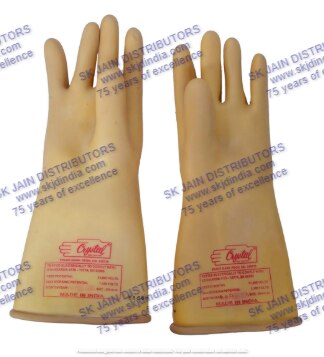
Electrical rubber hand gloves are an essential piece of personal protective equipment (PPE) for professionals working in high-voltage environments. These gloves provide insulation and protection against electrical shock, ensuring the safety of the wearer. In this article, we will discuss the importance of electrical rubber hand gloves, the standards they are tested against, and the various grades available for different voltage levels.
Importance of Electrical Rubber Hand Gloves
Electrical rubber hand gloves are designed to protect workers from electrical hazards, such as electric shock, burns, and arc flash. These gloves are made of high-quality rubber, which provides excellent insulation and resistance to electrical currents. They are an essential part of PPE for professionals working in industries such as electrical power generation, transmission, and distribution, as well as in other high-voltage environments.
Testing Standards for Electrical Rubber Hand Gloves
To ensure the safety and effectiveness of electrical rubber hand gloves, they are tested against specific standards. In India, the two primary standards for testing electrical rubber hand gloves are IS: 4770 and IS: 13774.
IS: 4770: This standard specifies the requirements for rubber insulating gloves, including their dimensions, thickness, and electrical properties. It ensures that the gloves provide adequate insulation and protection against electrical hazards.
IS: 13774: This standard outlines the requirements for testing rubber insulating gloves, including their electrical strength, dielectric strength, and resistance to puncture and abrasion. It ensures that the gloves can withstand the rigors of high-voltage environments and provide long-lasting protection.
Grades of Electrical Rubber Hand Gloves
Electrical rubber hand gloves are available in various grades, each designed for specific voltage levels. The most common grades are 11KV, 15KV, 22KV, and 33KV. The grade of the glove indicates the maximum voltage it can withstand without breaking down.
11KV Grade: These gloves are designed for use in environments with voltages up to 11,000 volts. They are suitable for professionals working in low-voltage environments, such as electrical maintenance and repair.
15KV Grade: These gloves are designed for use in environments with voltages up to 15,000 volts. They are suitable for professionals working in medium-voltage environments, such as electrical power distribution.
22KV Grade: These gloves are designed for use in environments with voltages up to 22,000 volts. They are suitable for professionals working in high-voltage environments, such as electrical power transmission.
33KV Grade: These gloves are designed for use in environments with voltages up to 33,000 volts. They are suitable for professionals working in the highest voltage environments, such as electrical power generation and transmission.
Conclusion
Electrical rubber hand gloves are a crucial piece of PPE for professionals working in high-voltage environments. They provide insulation and protection against electrical hazards, ensuring the safety of the wearer. By adhering to testing standards such as IS: 4770 and IS: 13774, and selecting the appropriate grade for the voltage level, professionals can ensure that they are using gloves that provide the necessary protection and insulation. “`