Delhi
08048034498
+919654967967

Products

6814772a5d263414004dd4a4 Card 2

product image
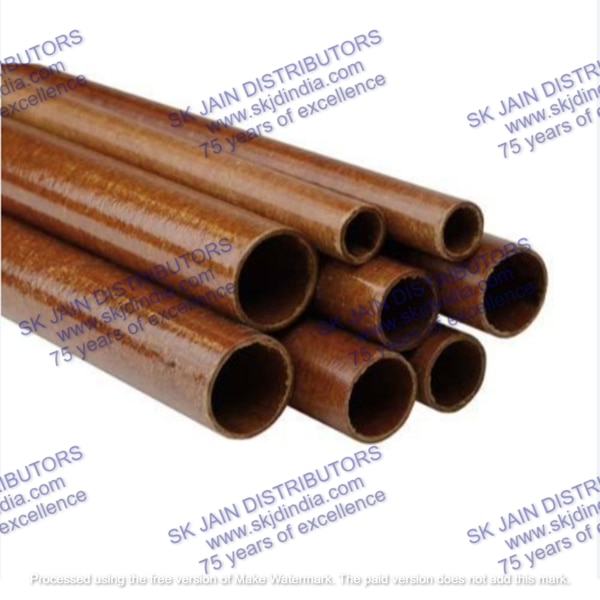
BAKELITE TUBE

PHENOLIC BAKELITE HYLAM (PAPER BASE) SHEETS, RODS & TUBES Phenolic Bakelite, a thermosetting plastic, has been widely used in various industries due to its excellent electrical, mechanical, and thermal properties. It is commonly available in the form of sheets, rods, and tubes, which are graded according to the Indian Standard (IS) 2036 and the National Electrical Manufacturers Association (NEMA) standards. This article aims to provide a comprehensive understanding of these grades and their applications, particularly in Electrostatic Discharge (ESD) sensitive environments. IS-2036 Grades (P-1, P-2, P-3, and P-4) The IS-2036 standard classifies phenolic Bakelite into four grades (P-1, P-2, P-3, and P-4) based on their mechanical, electrical, and thermal properties. These grades are widely used in various industries, including electronics, automotive, and aerospace. P-1 Grade: This grade is characterized by its high mechanical strength, low electrical conductivity, and excellent thermal stability. P-1 grade phenolic Bakelite is commonly used in applications that require high-temperature resistance and low electrical conductivity, such as electrical insulators and high-temperature gaskets. P-2 Grade: The P-2 grade offers a balance between mechanical strength, electrical conductivity, and thermal stability. It is suitable for applications that require moderate electrical conductivity and good mechanical strength, such as electrical connectors and switches. P-3 Grade: This grade is specifically designed for applications that require high electrical conductivity and good mechanical strength. P-3 grade phenolic Bakelite is commonly used in ESD sensitive environments, such as electronics manufacturing and assembly, to prevent damage caused by electrostatic discharge. P-4 Grade: The P-4 grade offers the highest electrical conductivity among the four grades, making it ideal for applications that require maximum protection against ESD, such as ESD mats and workbenches. NEMA Grades The NEMA standard classifies phenolic Bakelite into three grades (NEMA Grade 1, Grade 2, and Grade 3) based on their electrical conductivity and mechanical strength. These grades are widely used in ESD sensitive environments. 1.NEMA Grade 1: This grade offers low electrical conductivity and good mechanical strength. It is suitable for applications that require moderate protection against ESD, such as electrical connectors and switches. 2. NEMA Grade 2: The NEMA Grade 2 offers a balance between electrical conductivity and mechanical strength. It is suitable for applications that require moderate to high protection against ESD, such as ESD mats and workbenches. 3. NEMA Grade 3: This grade offers the highest electrical conductivity among the three grades, making it ideal for applications that require maximum protection against ESD, such as ESD mats and workbenches. Conclusion Phenolic Bakelite sheets, rods, and tubes are available in various grades according to the IS-2036 and NEMA standards. These grades offer a range of mechanical, electrical, and thermal properties suitable for different applications. In ESD sensitive environments, P-3 and P-4 grades according to IS-2036 and NEMA Grade 3 are ideal for providing maximum protection against electrostatic discharge. Understanding these grades and their applications is crucial for selecting the appropriate phenolic Bakelite material for specific industrial needs.

6814772a5d263414004dd4a4 Card 2

product image
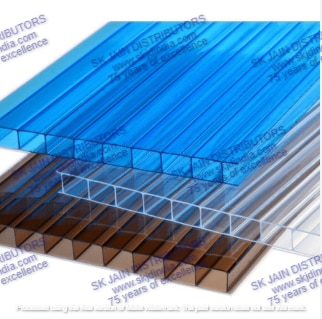
POLY CARBONATE SHEETS & TUBES

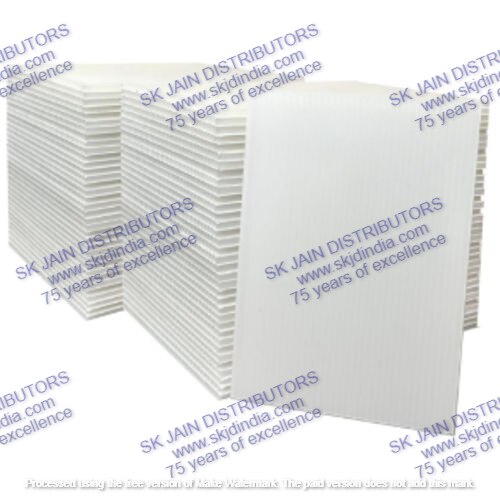
Polycarbonate is a high-performance thermoplastic material known for its exceptional strength, clarity, and versatility. It finds wide application in various industries, including construction, automotive, and medical. Polycarbonate sheets and tubes are two common forms of this material, each offering unique benefits and uses. Polycarbonate Sheets Polycarbonate sheets are flat, transparent or translucent panels that provide excellent light transmission while offering high impact resistance. They are commonly used for: Skylights and Roofing: Polycarbonate sheets allow natural light to enter buildings while providing protection from UV rays and weather elements. Greenhouse Panels: They create a controlled environment for plants by transmitting sunlight while blocking harmful UV radiation. Signage and Displays: Polycarbonate sheets are ideal for creating durable and eye-catching signs, displays, and advertising materials. Machine Guards and Barriers: Their high impact resistance makes them suitable for protecting machinery and personnel in industrial environments. Polycarbonate Tubes Polycarbonate tubes are cylindrical extrusions that offer a combination of strength, transparency, and flexibility. They are commonly used for: Piping and Fluid Handling: Polycarbonate tubes are resistant to chemicals and corrosion, making them ideal for transporting liquids and gases. Medical Devices: They are used in syringes, blood bags, and other medical applications due to their biocompatibility and ability to withstand sterilization. Lighting Fixtures: Polycarbonate tubes are lightweight and shatter-resistant, making them suitable for use in lamps, chandeliers, and other lighting applications. Automotive Parts: They are used in headlights, taillights, and instrument panels due to their durability and light transmission properties. Benefits of Polycarbonate Sheets & Tubes Polycarbonate sheets and tubes offer several benefits, including: High Impact Resistance: Polycarbonate is incredibly tough and can withstand impacts without shattering or cracking. Light Transmission: It allows for excellent light transmission, making it ideal for applications where natural light is desired. UV Protection: Polycarbonate blocks harmful UV rays, protecting materials and people from sun damage. Weather Resistance: Polycarbonate sheets and tubes are resistant to rain, snow, and extreme temperatures, making them suitable for outdoor applications. Versatility: They can be easily cut, drilled, and formed, allowing for customization to meet specific requirements. Applications of Polycarbonate Sheets & Tubes Polycarbonate sheets and tubes find application in a wide range of industries, including: Construction Automotive Medical Aerospace Electronics Food and beverage Conclusion Polycarbonate sheets and tubes are versatile and durable plastic solutions that offer exceptional performance in various applications. Their high impact resistance, light transmission, UV protection, and weather resistance make them ideal for use in skylights, greenhouses, signage, piping, medical devices, and countless other products. Polycarbonate’s versatility and ease of fabrication make it a preferred choice for engineers, architects, and manufacturers worldwide.

6814772a5d263414004dd4a4 Card 2

product image
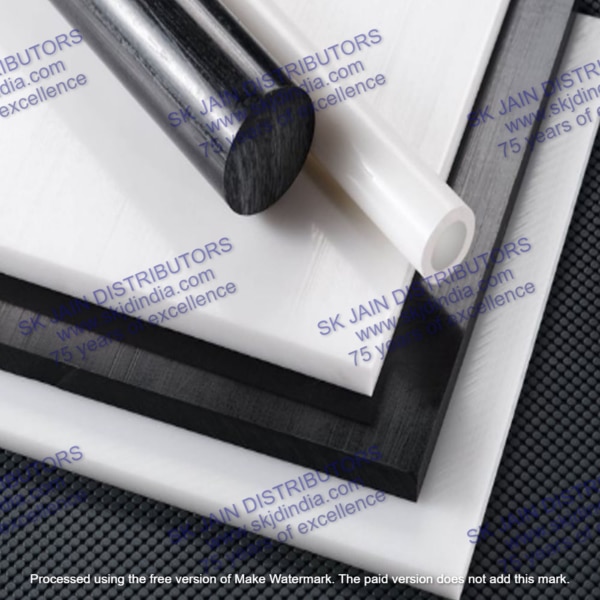
POLYETHYLENE TEREPHTHALATE / PET

While bottle-grade PET (often referred to as amorphous PET) is designed for clarity and flexibility, technical-grade PET Sheet and Rod is typically crystalline and highly dense. This crystallization process dramatically enhances its mechanical, thermal, and electrical performance. Unlike its cousin PETG (a modified, more flexible version), standard industrial PET stands out for its superior hardness and resistance to wear, making it a true performance plastic. The Powerhouse Properties of Technical PET Why are engineers increasingly turning to PET shapes for demanding applications? The answer lies in its balanced and high-performing profile: Exceptional Dimensional Stability PET features extremely low moisture absorption compared to materials like nylon (PA) or acetal (POM). This means that parts machined from PET rod or sheet will retain their precise dimensions even when operating in humid environments or submerged in liquid, making it ideal for wet processing machinery. High Mechanical Strength and Stiffness PET boasts excellent tensile strength and stiffness, providing substantial load-bearing capabilities. It maintains rigidity under stress, making it a reliable substitute for some metals in non-impact applications. Outstanding Wear and Friction Performance Technical PET exhibits excellent resistance to abrasion and has a low coefficient of friction. This makes it a fantastic choice for moving parts where self-lubricating properties are desired, often outperforming POM in high-pressure, low-speed bearing applications. Excellent Electrical Insulator As a non-conductive plastic, PET provides dependable electrical insulation, coupled with superior dielectric strength, ensuring components are safe for use in electrical systems and high-voltage applications. Chemical Resilience PET is highly resistant to weak acids, many organic solvents, and oils. This durability ensures a long service life in industrial settings where chemical exposure is common. Food Contact Approved Grades Many virgin grades of PET are compliant with FDA and EU regulations for direct contact with food and beverages, opening doors for use in food processing equipment, medical devices, and pharmaceutical manufacturing. Key Applications in Industry The versatility of PET Sheet and Rod allows it to slot into countless industries, replacing materials that might otherwise be too heavy, prone to corrosion, or insufficiently stable. Applications for PET Rod (Machined Parts): PET rod is typically used for components requiring high precision and resistance to wear. Bearings and Bushings: Used where low friction and dimensional stability under load are critical (e.g., textile machinery or clean room conveyors). Gears and Sprockets: Offering quieter operation and lower maintenance than metal gears. Insulators and Sleeves: Used in motors, transformers, and other electrical apparatus. Valve Components: Its chemical resistance makes it perfect for handling various fluids. Applications for PET Sheet (Fabricated Components): PET sheets are favored for visibility, electrical isolation, and thermoformed shapes. Machine Guards and Sight Glasses: High clarity combined with strong impact resistance (though standard PET is not as high impact as polycarbonate, it provides good visibility and rigidity). Thermoformed Trays: Used extensively in the food industry for consumer packaging and in electronics manufacturing for handling sensitive components. Sliding and Guide Rails: Its wear resistance makes PET sheet excellent for production lines and conveyor systems. Electrical Housings and Battery Components: Leveraging its stellar dielectric properties.

6814772a5d263414004dd4a4 Card 2

product image
POLYBUTYLENE TEREPHTHALATE /PBT

PBT is a semi-crystalline thermoplastic polyester. This might sound technical, but it translates into a material that boasts a remarkable combination of mechanical strength, stiffness, thermal stability, and excellent chemical resistance. Unlike some other plastics, PBT offers a balanced profile, making it suitable for demanding applications where compromise isn’t an option. The Advantage of PBT Rod and Sheet The beauty of PBT in rod and sheet form lies in its machinability and versatility. These semi-finished products serve as excellent starting materials for a wide range of fabrication processes, allowing engineers and designers to create custom parts with precision. Here’s why PBT rods and sheets are so popular: Exceptional Mechanical Properties: PBT exhibits high tensile strength and stiffness, meaning it can withstand significant loads without deforming or breaking. This makes it ideal for structural components and parts subjected to stress. Outstanding Dimensional Stability: PBT maintains its shape even under varying temperatures and humidity. This is crucial for intricate parts and assemblies where precise tolerances are essential. Excellent Electrical Insulation: PBT is a superb electrical insulator, resisting breakdown even at high voltages. This property makes it a go-to material for electrical connectors, housings, and components in the electronics industry. Good Chemical Resistance: It holds its own against a wide array of chemicals, including solvents, oils, and greases. This ensures longevity and reliability in environments where exposure to these substances is common. High Heat Resistance: PBT can operate effectively at elevated temperatures, maintaining its mechanical properties and dimensional stability. This makes it suitable for applications in automotive, aerospace, and industrial machinery. Low Moisture Absorption: Unlike some other polymers, PBT absorbs very little moisture, which contributes to its excellent electrical properties and dimensional stability. Good Wear Resistance: PBT demonstrates good resistance to abrasion and wear, making it suitable for moving parts and components that experience friction. Ease of Machining: PBT rods and sheets are readily machinable using standard metalworking equipment. This allows for the creation of complex geometries and tight tolerances with relative ease. Where Do You Find PBT Rods and Sheets in Action? The applications for PBT rods and sheets are incredibly diverse, spanning across numerous industries: Electrical & Electronics: Connectors, sockets, bobbins, fuse holders, switch components, and insulating parts. Its combination of electrical insulation and heat resistance is paramount here. Automotive: Under-the-hood components, sensor housings, electrical connectors, ignition system parts, and cooling system components. PBT’s resistance to oils, fuels, and elevated temperatures is vital. Industrial Equipment: Gears, bearings, bushings, rollers, valve components, and pump parts. Its mechanical strength, wear resistance, and chemical stability shine in these demanding scenarios. Consumer Goods: Small appliance components, kitchenware handles, and sporting goods. Durability, heat resistance, and a smooth finish are often key. Medical Devices: Various components where chemical resistance and biocompatibility (in certain grades) are important.

6814772a5d263414004dd4a4 Card 2

product image
PEEK – GEHR PEEK

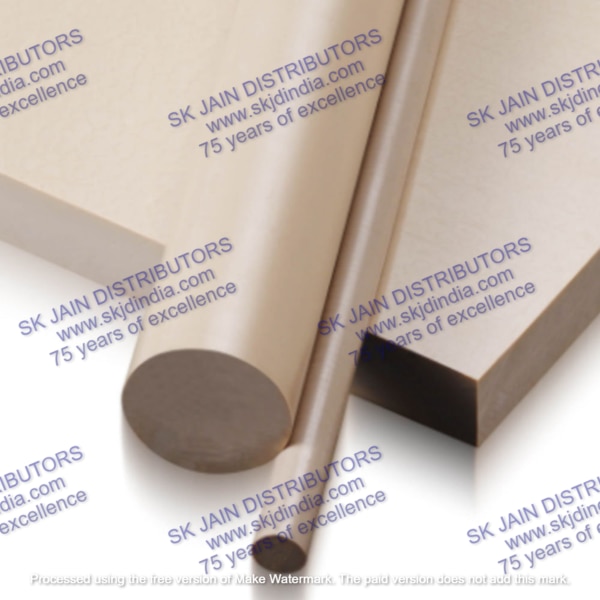
Polyetheretherketone (PEEK) is a high-performance thermoplastic known for its exceptional mechanical strength, toughness, hardness, flexural strength, and torsional strength. It can be used at very high temperatures, with a heat resistance of up to +480 °F. This unique material exhibits excellent chemical resistance, very good dielectric properties, and a high resistance to various types of radiation. Importantly, PEEK is self-extinguishing according to UL 94, making it a reliable choice for safety-critical applications. Properties of PEEK PEEK has a range of impressive properties that make it suitable for demanding applications: Very high mechanical strength: PEEK offers extraordinary strength, ideal for applications requiring robust materials. Very high rigidity: PEEK retains its rigidity even at elevated temperatures. Very high thermal stability: PEEK can withstand high temperatures, maintaining its properties up to +480 °F. Very high dimensional stability: PEEK exhibits minimal expansion or contraction with changes in temperature or environmental conditions. Very high radiation resistance: PEEK has a high resistance to various types of radiation, making it suitable for use in challenging environments. Very high hydrolysis resistance: PEEK is resistant to hydrolysis, ensuring its durability in moist or wet conditions. Notch impact-strength relatively low: While PEEK is strong, it has a relatively low notch impact strength compared to some other materials. Low resistance to acetone: PEEK has limited resistance to acetone, which should be considered in specific applications. High wear resistance at higher temperatures: PEEK maintains its wear resistance even at elevated temperatures. Applications of PEEK Due to its exceptional properties, PEEK is used in a variety of industries and applications: Bearing shells: PEEK is used for bearing shells due to its high strength and durability. Piston rings: PEEK’s thermal stability and wear resistance make it suitable for piston rings. Valve seats: PEEK’s resistance to heat and chemicals makes it ideal for valve seats. Gears: PEEK’s rigidity and strength allow it to be used in gear manufacturing. Seals: PEEK’s chemical resistance and durability make it suitable for seals. Aviation: PEEK’s lightweight and high-strength properties make it ideal for aviation components. Pump vanes: PEEK’s wear resistance and durability make it suitable for pump vanes. Fittings: PEEK’s chemical resistance and high strength make it ideal for various fittings. Plug connectors: PEEK’s electrical insulation properties make it suitable for plug connectors. Wafer carriers: PEEK is used in the semiconductor industry for wafer carriers due to its thermal stability and chemical resistance. Semiconductor industry: PEEK’s high resistance to radiation and thermal stability make it a preferred material in the semiconductor industry. Conclusion PEEK – GEHR PEEK® is a high-performance thermoplastic that offers a unique combination of mechanical strength, thermal stability, and chemical resistance. Its self-extinguishing properties, resistance to radiation, and ability to withstand high temperatures make it ideal for a variety of demanding applications, from aviation to the semiconductor industry. With its wide range of applications, PEEK is a versatile material that meets the needs of numerous industries.

6814772a5d263414004dd4a4 Card 2

product image
POLYPROPYLENE (PP) SHEETS, BLOCKS & RODS

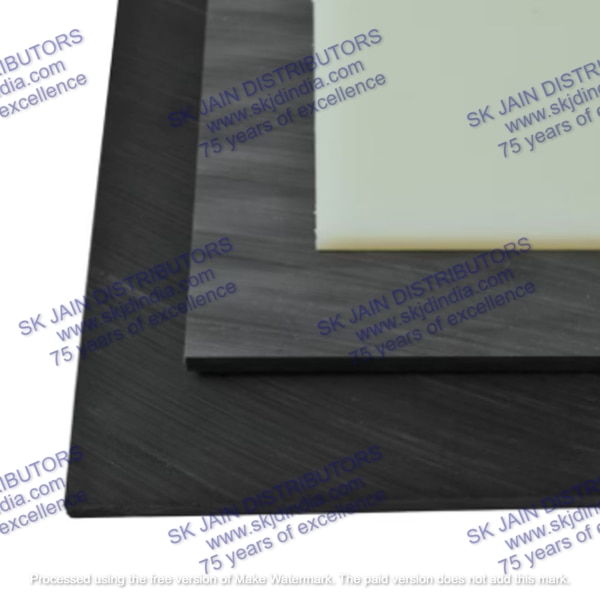
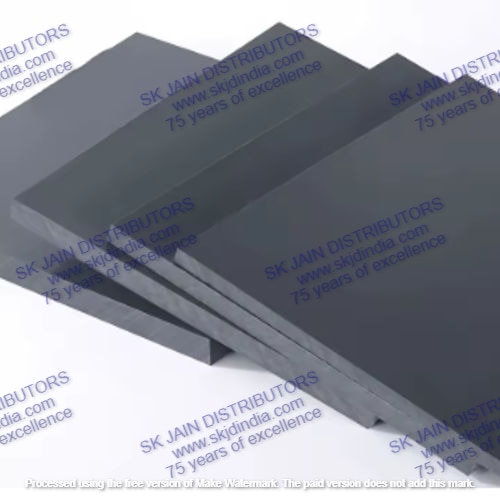
Polypropylene (PP) is a thermoplastic polymer that has gained immense popularity in various industries due to its versatility, durability, and cost-effectiveness. PP sheets, blocks, and rods are widely used in a multitude of applications, ranging from automotive parts to medical devices. In this article, we will delve into the world of polypropylene sheets, blocks, and rods, exploring their properties, applications, and benefits. Properties of Polypropylene (PP) Polypropylene is a lightweight, yet strong and rigid material that offers excellent chemical resistance, making it ideal for use in harsh environments. It is resistant to a wide range of chemicals, including acids, alkalis, and solvents. Additionally, PP exhibits good electrical insulation properties, making it suitable for electrical applications. Polypropylene is also known for its high impact strength, even at low temperatures, and its resistance to fatigue and wear. It has a low coefficient of friction, which makes it an excellent choice for applications where sliding or low-friction surfaces are required. Types of Polypropylene (PP) Sheets, Blocks, and Rods Polypropylene sheets, blocks, and rods are available in various grades, each with its unique properties and applications. Some of the most common types include: Homopolymer PP: This type of PP is made from a single monomer and offers excellent mechanical properties, including high tensile strength and rigidity. Homopolymer PP is commonly used in automotive parts, appliances, and packaging materials. Copolymer PP: Copolymer PP is made from two different monomers and offers a balance of properties, including improved impact strength and flexibility compared to homopolymer PP. It is widely used in applications such as automotive interiors, consumer goods, and medical devices. Random Copolymer PP: This type of PP is made from a random arrangement of two different monomers, resulting in a material with improved impact strength and flexibility compared to homopolymer PP. Random copolymer PP is commonly used in applications such as automotive bumpers, toys, and household appliances. Impact-modified PP: Impact-modified PP is a blend of homopolymer and copolymer PP, resulting in a material with excellent impact strength and toughness. It is widely used in applications such as automotive parts, outdoor furniture, and sports equipment. Applications of Polypropylene (PP) Sheets, Blocks, and Rods The versatility of polypropylene makes it suitable for a wide range of applications across various industries. Some of the most common applications include: Automotive: PP is widely used in the automotive industry for manufacturing various parts, such as bumpers, interior trim, and fuel tanks, due to its lightweight, durability, and chemical resistance. Packaging: PP sheets and films are commonly used in the packaging industry for food and beverage containers, as well as for protective packaging materials. Medical: PP is a popular choice for medical devices and equipment due to its biocompatibility, chemical resistance, and ease of sterilization. Construction: PP sheets and blocks are used in the construction industry for applications such as roofing, insulation, and waterproofing. Consumer goods: PP is widely used in the manufacturing of consumer goods, such as toys, kitchenware, and household appliances, due to its durability, chemical resistance, and low cost. Benefits of Polypropylene (PP) Sheets, Blocks, and Rods The use of polypropylene sheets, blocks, and rods offers several benefits, including: Cost-effectiveness: PP is a relatively inexpensive material compared to other thermoplastics, making it an attractive option for manufacturers looking to reduce costs. Lightweight: PP is a lightweight material, which makes it ideal for applications where weight reduction is a priority, such as in the automotive and aerospace industries. Durability: PP is a strong and rigid material that offers excellent resistance to wear, fatigue, and impact. Chemical resistance: PP exhibits excellent chemical resistance, making it suitable for use in harsh environments and applications involving exposure to chemicals. Recyclability: PP is a recyclable material, which makes it an environmentally friendly choice for manufacturers and consumers alike. Conclusion Polypropylene (PP) sheets, blocks, and rods are versatile materials that offer a wide range of benefits, including cost-effectiveness, durability, and chemical resistance. Their versatility makes them suitable for a multitude of applications across various industries, from automotive parts to medical devices. As the demand for lightweight, durable, and cost-effective materials continues to grow, polypropylene is poised to remain a popular choice for manufacturers and consumers alike.

6814772a5d263414004dd4a4 Card 2

product image
CAST NYLON SHEET

NYLON/METLON SHEETS, RODS,TUBES & HOLLOW PIPES

6814772a5d263414004dd4a4 Card 2

product image
DISCHARGE/EARTHING RODS

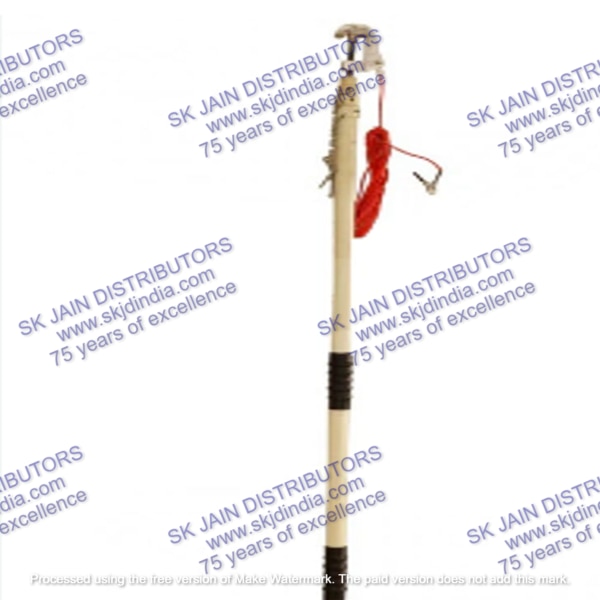
Ebonite, a versatile and durable material, has been a staple in the world of pen manufacturing for over a century. Its unique properties and timeless appeal have made it a favorite among pen enthusiasts and collectors alike. This article explores the history, properties, and applications of ebonite, with a special focus on its use in pen bodies. History of Ebonite Ebonite, also known as vulcanized rubber, was first developed in the mid-19th century by Charles Goodyear. The material was created by heating natural rubber with sulfur, resulting in a hard, black substance resistant to heat, water, and chemicals. This new material quickly gained popularity in various industries, including pen manufacturing. Properties of Ebonite Ebonite is a unique material with several properties that make it ideal for pen bodies. Here are some of its key properties: Durability: Ebonite is highly durable and can withstand daily wear and tear. It is resistant to scratches, dents, and other forms of damage, ensuring that pens made from ebonite will last for many years. Heat and water resistance: Ebonite is highly resistant to heat and water, making it ideal for pens exposed to extreme temperatures or moisture. This property also makes ebonite popular for scientific instruments and other equipment requiring high durability. Chemical resistance: Ebonite is resistant to a wide range of chemicals, including acids, alkalis, and solvents. This property makes it excellent for pens that may come into contact with various inks and other writing materials. Aesthetic appeal: Ebonite has a rich, black color that is both elegant and timeless. Its smooth, polished surface is visually appealing, adding a touch of sophistication to any pen. Applications of Ebonite Ebonite’s unique properties have made it a popular choice for various applications, including: Pen bodies: Ebonite is widely used in manufacturing pen bodies due to its durability, heat and water resistance, and aesthetic appeal. Many high-end fountain pens and ballpoint pens are made from ebonite, providing a luxurious writing experience and a sense of tradition. Scientific instruments: Ebonite’s chemical resistance and durability make it ideal for scientific instruments, such as laboratory equipment and measuring devices. Its ability to withstand harsh chemicals and extreme temperatures ensures these instruments remain functional and accurate over time. Electrical insulators: Ebonite’s electrical insulation properties make it popular for electrical components, such as insulators and bushings. Its resistance to heat and chemicals also makes it suitable for use in high-temperature environments. Musical instruments: Ebonite is used in manufacturing certain musical instruments, such as clarinets and saxophones. Its durability and resistance to wear make it ideal for these instruments, which are subjected to frequent use and exposure to various environmental conditions. Conclusion Ebonite, with its unique properties and timeless appeal, has been a staple in the world of pen manufacturing for over a century. Its durability, heat and water resistance, chemical resistance, and aesthetic appeal make it an ideal material for pen bodies and various other applications. As we continue to appreciate the craftsmanship and tradition of writing instruments, ebonite will undoubtedly remain a popular choice for pen enthusiasts and collectors alike. Earthing rods are essential components of grounding systems, ensuring the safety and reliability of electrical installations. Their voltage ratings and materials vary depending on the specific application, and proper installation is crucial for optimal performance and protection against electrical hazards. This section covers the installation, resistance, and applications of discharge/earthing rods. Installation Earthing rods are installed vertically into the ground using various methods, such as driving, augering, or jetting. The depth and spacing of the rods depend on the soil conditions, the required resistance value, and the applicable electrical code requirements. Resistance The effectiveness of an earthing rod is measured by its resistance to the passage of electrical current. A lower resistance indicates a better electrical connection to the ground. The resistance of an earthing rod is influenced by factors such as soil resistivity, rod length, and the depth of installation. Applications Discharge/earthing rods are used in various electrical installations, including: Substations Power plants Distribution lines Industrial facilities Commercial buildings Residential properties By providing a low-resistance path to ground, earthing rods help protect against: Electrical shock Equipment damage Lightning strikes Overvoltages Conclusion Discharge/earthing rods are essential components of grounding systems, ensuring the safety and reliability of electrical installations. Proper installation is crucial to their effectiveness. They are used in a variety of electrical installations, from substations to residential properties, providing essential protection against electrical hazards.

6814772a5d263414004dd4a4 Card 2

product image
RUBBER SHEETS

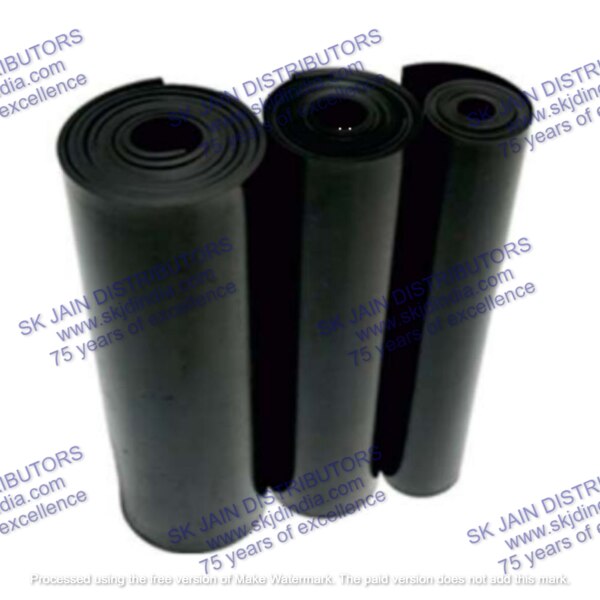
Rubber sheets are versatile materials used in various industrial and commercial applications. They offer excellent resistance to abrasion, chemicals, and weather conditions, making them ideal for use in a wide range of environments. Here is a comprehensive guide to different types of rubber sheets: EPDM Rubber Sheet EPDM (ethylene propylene diene monomer) rubber sheet is known for its exceptional ozone and UV resistance. It is commonly used in outdoor applications, such as roofing, pond liners, and automotive parts. EPDM rubber sheets are also resistant to acids, alkalis, and solvents, making them suitable for use in chemical processing and handling. High-Pressure Rubber Sheet High-pressure rubber sheets are designed to withstand extreme pressures in hydraulic and pneumatic systems. They are typically made from nitrile, polyurethane, or fluorocarbon rubber and offer high tensile strength, tear resistance, and abrasion resistance. These sheets are commonly used in seals, gaskets, and hoses. Insertion Rubber Sheet Insertion rubber sheets are reinforced with a fabric or metal insert, providing increased strength and resistance to tearing and puncture. They are often used in conveyor belts, elevator buckets, and other applications where durability and load-bearing capacity are essential. Pully Lagging Rubber Sheet Pully lagging rubber sheets are bonded to the surface of pulleys to improve friction and prevent slippage. They are available in various thicknesses and compounds to suit different pulley sizes and operating conditions. Pully lagging rubber sheets help extend pulley life and reduce maintenance costs. Nitrile & Neoprene Rubber Sheet Nitrile rubber sheets offer excellent resistance to oils, fuels, and solvents. They are commonly used in gaskets, seals, and hoses in automotive, aerospace, and chemical industries. Neoprene rubber sheets have similar properties to nitrile rubber but also provide good fire resistance. Short Blast Rubber Sheet Short blast rubber sheets are designed for use in abrasive blasting applications. They are made from a high-density rubber compound that resists wear and tear from the impact of abrasive media. Short blast rubber sheets are typically used as a protective lining in blast cabinets and rooms. Silicone Rubber Sheet Silicone rubber sheets offer exceptional heat resistance, flexibility, and resistance to chemicals and solvents. They are commonly used in food processing, pharmaceutical, and medical applications. Silicone rubber sheets are also non-toxic and odorless, making them suitable for use in sensitive environments. Conclusion Rubber sheets are indispensable materials in various industries, offering a wide range of properties and applications. By understanding the different types of rubber sheets available, you can select the most appropriate material for your specific requirements, ensuring optimal performance, durability, and cost-effectiveness. “`

6814772a5d263414004dd4a4 Card 2

product image
ACRYLIC SHEETS, RODS & TUBES

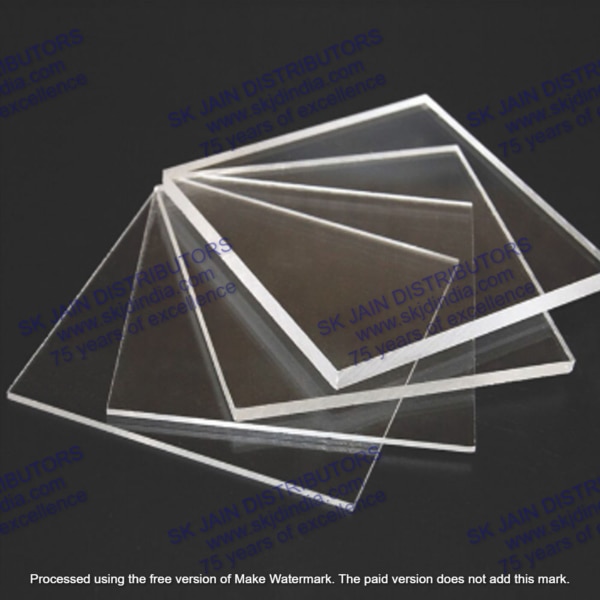
ACRYLIC/ PERSPEX SHEETS, RODS & TUBES Acrylic, also known as Perspex, is a versatile thermoplastic material renowned for its exceptional clarity, durability, and ease of fabrication. Acrylic sheets, rods, and tubes are widely used in various industries and applications due to their unique properties. Properties of Acrylic Acrylic possesses a range of properties that make it a preferred choice for various applications: Clarity: Acrylic is highly transparent, allowing for clear visibility and light transmission. Durability: Acrylic is shatter-resistant, impact-resistant, and weather-resistant, making it suitable for outdoor and demanding environments. Lightweight: Acrylic is lightweight and easy to handle, reducing installation and transportation costs. Versatility: Acrylic can be easily cut, drilled, shaped, and molded, making it adaptable to various applications. Resistance: Acrylic is resistant to UV radiation, chemicals, and solvents, ensuring its longevity and durability. Types of Acrylic Products Acrylic is available in different forms, including sheets, rods, and tubes, each with specific characteristics: Sheets: Extruded Acrylic: Produced by forcing molten acrylic through a die, resulting in uniform thickness and smooth surfaces. Cast Acrylic: Formed by pouring molten acrylic into a mold, creating thicker sheets with higher impact resistance. Rods: Extruded Acrylic Rods: Used for structural applications, such as support beams, dowels, and handles. Cast Acrylic Rods: Ideal for precision parts, bearings, and transparent shafts due to their high impact resistance. Tubes: Extruded Acrylic Tubes: Used for fluid transportation, lighting fixtures, and decorative purposes due to their uniform diameter. Cast Acrylic Tubes: Suitable for demanding applications requiring high impact resistance and durability. Applications of Acrylic Acrylic sheets, rods, and tubes are used in a wide variety of industries due to their versatility and unique properties: Signage: Acrylic sheets are used in signs, displays, and point-of-sale materials due to their clarity and durability. Glazing: Acrylic sheets are an alternative to glass in windows, skylights, and display cases due to their shatter-resistance and weather-resistance. Displays: Acrylic rods and tubes are used in museum displays, jewelry showcases, and other applications where transparency and durability are essential. Medical: Acrylic sheets and rods are used in medical devices, such as surgical trays, incubators, and imaging equipment, due to their sterility and resistance to chemicals. Lighting: Acrylic sheets and tubes are used in lighting fixtures, diffuser panels, and lampshades due to their clarity and ability to transmit light. Conclusion Acrylic sheets, rods, and tubes are versatile materials offering a wide range of properties and applications. Their clarity, durability, and ease of fabrication make them an ideal choice for industries and individuals seeking high-quality, long-lasting, and aesthetically pleasing solutions.

6814772a5d263414004dd4a4 Card 2

product image
Silicon Sponge Pad

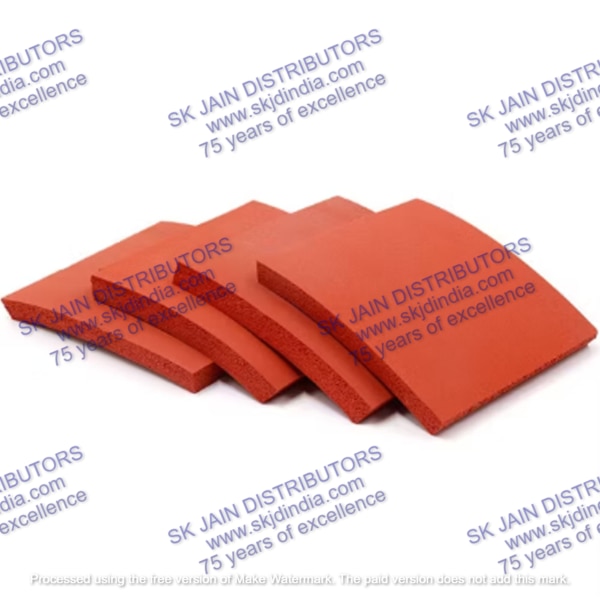
Silicon Sponge Pad: Taking the benefits of sponge rubber to higher temperatures and specialized environments, silicon sponge pads offer superior resistance to extreme heat, UV light, ozone, and many chemicals. They are frequently used in medical devices, food processing equipment, and high-performance sealing applications.

Subcategory Tags

BAKELITESHEET HYLAMSHEET PHENOLICBAKELITESHEET BAKELITESHEETINDELHI BAKELITESHEETINCHANDNICHOWK POLYCARBONATE POLYCARBONATESHEET POLYCARBONATEROD POLYCARBONATEMULTIWALLSHEET OVERHEADLINECOVER OverHead OVERHEADINSULATIONCOVER PVCSHEET PVCTRANSPARENTSHEET CURTAIN PVCFLEXIBLESHEET heatshrinksleeve heatshrinkablesleeve LTSLEEVE HEATSHRINK DERLINSHEET WHITEDERLIN BLACKDERLIN DERLIN REDFIBERSHEET VULCANISEDFIBRESHEETS VULCANISEDREDFIBRESHEETS VULCANISEDSHEET ESDBAKELITESHEET ESD BLACKBAKELITESHEET ESDBAKELITE NYLONEXPANDABLESLEEVING EXPANDABLESLEEVING NYLONSLEEVING Flexitherm GP100 GreenInsulationPaper GreenInsulationPaper10MILL FlexithermGP100GreenInsulationPaper10MILL Densified DensifiedWoodLaminates DensifiedParmaliWood ParmaliWood PVCSLEEVINGS PVCSLEEVE PVC ELECTRICALPVCSLEEVE SILICONECOATEDFIBERGLASSSLEEVE FIBERGLASSSLEEVE SILICONEGLASSSLEEVE RUBBERISEDCORKSHEETS CORKSHEETS CORK TEFLON TEFLONTAPE CHAMPIONTAPE TEFLONCOATEDFIBREGLASSCLOTH NITTOTAPE TEFLONCLOTH HEATSHRINKTUBEHT HEATSHRINKTUBE 33KVHEATSHRINKSLEEVE ASBESTOSSHEET SYNDANIOSHEET SPIRALSLEEVE SPIRAL MICASHEET MICAROD MICATUBES MICATAPES BRAKELININGSHEET BRAKELININGMETTALICSHEET BRAKELININGNONMATTALICSHEET SiliconSpongeSHEET RUBBERSHEET EPDMRUBBERSHEET NEOPRINERUBBERSHEET SILICONERUBBERSHEET DISCHARGE/EARTHINGRODS DISCHARGERODS PVCRIGIDSHEET NYLON/METLON SHEETS, RODS,TUBES & HOLLOW PIPES METLONSHEET CASTNYLONSHEET PEEKSHEET PEEKROD POLYBUTYLENE SHEET POLYBUTYLENETEREPHTHALATE POLYBUTYLENETEREPHTHALATESHEET POLYBUTYLENETEREPHTHALATEROD PETSHEET PETROD Polycarbonate MULTIWALLPOLYCORBONATE BAKELITETUBE
Phone Number

08048034498

Please keep 0 before dialling the number.

Email Address info@skjdindia.com

Mon-Thu: 10 AM - 2 PM • Fri: 3 PM - 7AM

Address 1748,BHAGIRATH PALCE,CHANDNI CHOWK,DELHI-110006

Delhi, India, 110006