
Delhi
08048034498
+919654967967
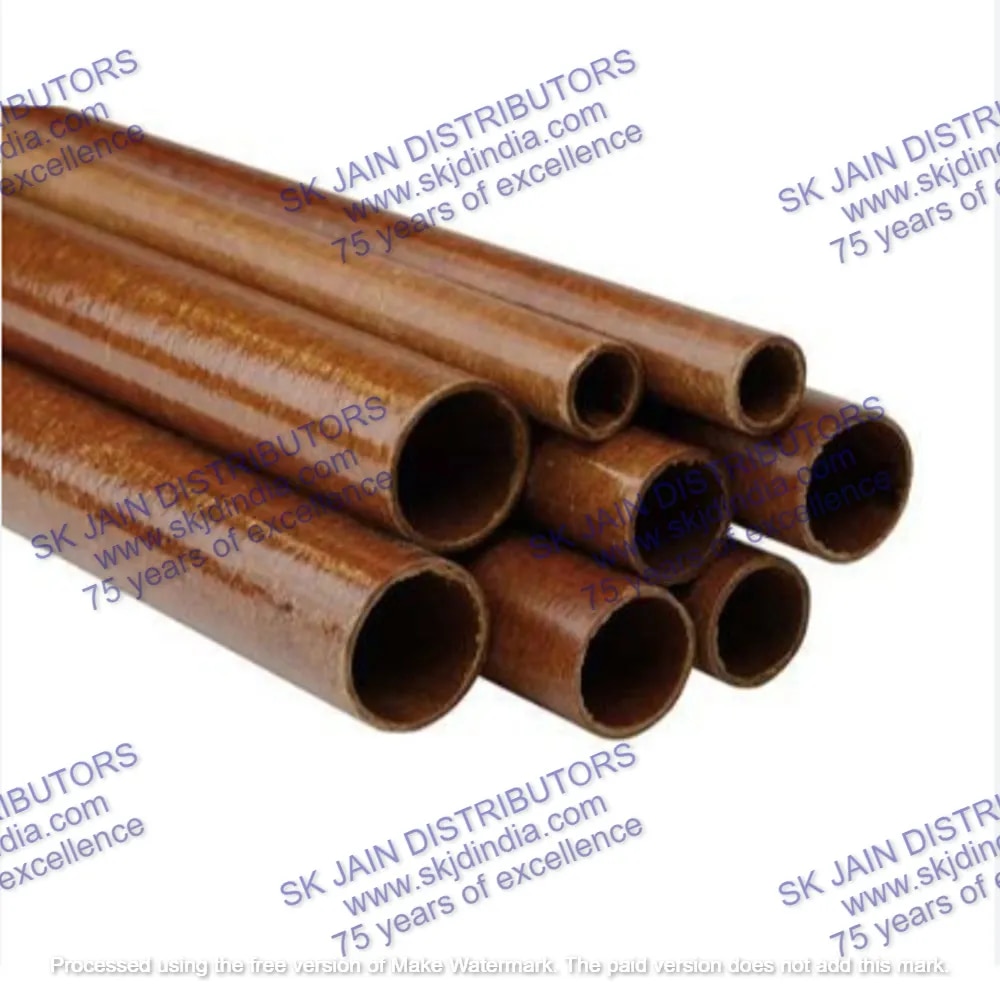
BAKELITE TUBE by SK JAIN DISTRIBUTORS

BAKELITE TUBE

Subcategory Tags

Phone Number

08048034498

Please keep 0 before dialling the number.

Email Address info@skjdindia.com

Mon-Thu: 10 AM - 2 PM • Fri: 3 PM - 7AM

Address 1748,BHAGIRATH PALCE,CHANDNI CHOWK,DELHI-110006

Delhi, India, 110006

Description

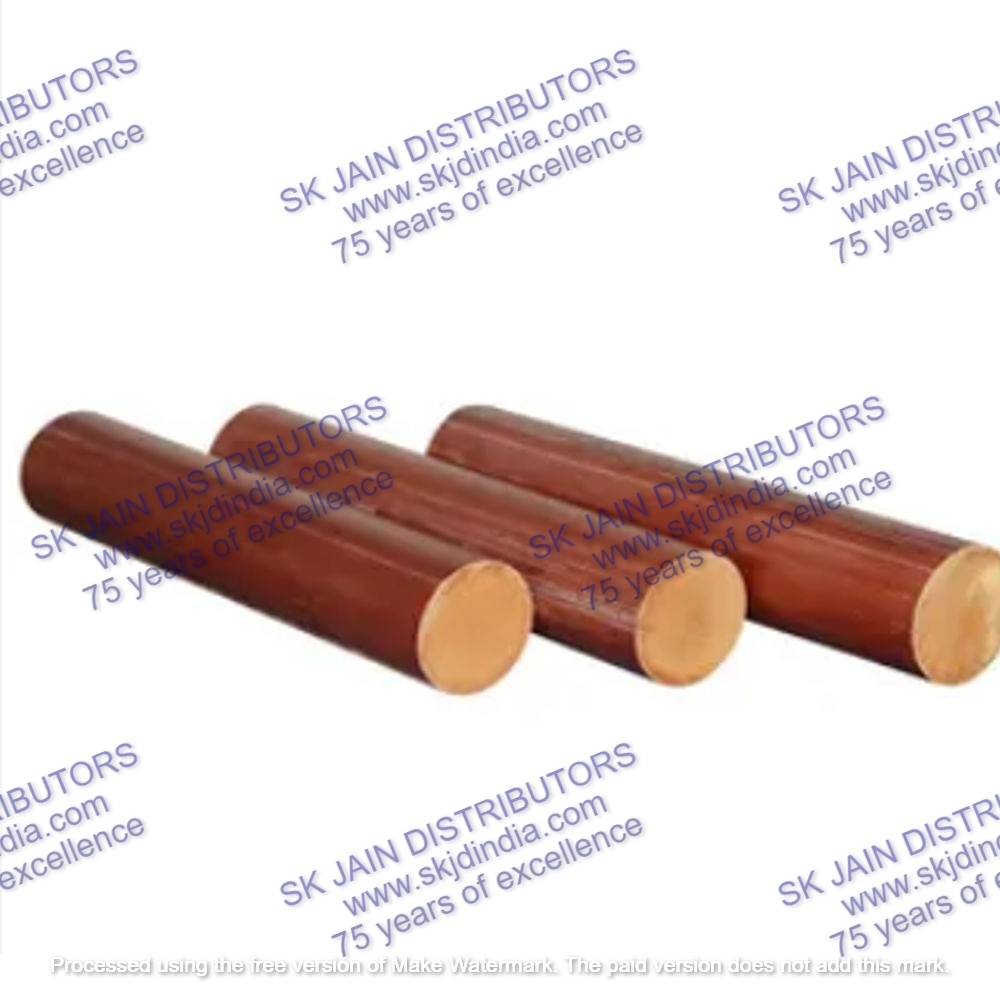
PHENOLIC BAKELITE HYLAM (PAPER BASE) SHEETS, RODS & TUBES Phenolic Bakelite, a thermosetting plastic, has been widely used in various industries due to its excellent electrical, mechanical, and thermal properties. It is commonly available in the form of sheets, rods, and tubes, which are graded according to the Indian Standard (IS) 2036 and the National Electrical Manufacturers Association (NEMA) standards. This article aims to provide a comprehensive understanding of these grades and their applications, particularly in Electrostatic Discharge (ESD) sensitive environments. IS-2036 Grades (P-1, P-2, P-3, and P-4) The IS-2036 standard classifies phenolic Bakelite into four grades (P-1, P-2, P-3, and P-4) based on their mechanical, electrical, and thermal properties. These grades are widely used in various industries, including electronics, automotive, and aerospace. P-1 Grade: This grade is characterized by its high mechanical strength, low electrical conductivity, and excellent thermal stability. P-1 grade phenolic Bakelite is commonly used in applications that require high-temperature resistance and low electrical conductivity, such as electrical insulators and high-temperature gaskets. P-2 Grade: The P-2 grade offers a balance between mechanical strength, electrical conductivity, and thermal stability. It is suitable for applications that require moderate electrical conductivity and good mechanical strength, such as electrical connectors and switches. P-3 Grade: This grade is specifically designed for applications that require high electrical conductivity and good mechanical strength. P-3 grade phenolic Bakelite is commonly used in ESD sensitive environments, such as electronics manufacturing and assembly, to prevent damage caused by electrostatic discharge. P-4 Grade: The P-4 grade offers the highest electrical conductivity among the four grades, making it ideal for applications that require maximum protection against ESD, such as ESD mats and workbenches. NEMA Grades The NEMA standard classifies phenolic Bakelite into three grades (NEMA Grade 1, Grade 2, and Grade 3) based on their electrical conductivity and mechanical strength. These grades are widely used in ESD sensitive environments. 1.NEMA Grade 1: This grade offers low electrical conductivity and good mechanical strength. It is suitable for applications that require moderate protection against ESD, such as electrical connectors and switches. 2. NEMA Grade 2: The NEMA Grade 2 offers a balance between electrical conductivity and mechanical strength. It is suitable for applications that require moderate to high protection against ESD, such as ESD mats and workbenches. 3. NEMA Grade 3: This grade offers the highest electrical conductivity among the three grades, making it ideal for applications that require maximum protection against ESD, such as ESD mats and workbenches. Conclusion Phenolic Bakelite sheets, rods, and tubes are available in various grades according to the IS-2036 and NEMA standards. These grades offer a range of mechanical, electrical, and thermal properties suitable for different applications. In ESD sensitive environments, P-3 and P-4 grades according to IS-2036 and NEMA Grade 3 are ideal for providing maximum protection against electrostatic discharge. Understanding these grades and their applications is crucial for selecting the appropriate phenolic Bakelite material for specific industrial needs.

Other Products

view all

6814772a5d263414004dd4a4 Card 2

product image
BAKELITE TUBE

PHENOLIC BAKELITE HYLAM (PAPER BASE) SHEETS, RODS & TUBES Phenolic Bakelite, a thermosetting plastic, has been widely used in various industries due to its excellent electrical, mechanical, and thermal properties. It is commonly available in the form of sheets, rods, and tubes, which are graded according to the Indian Standard (IS) 2036 and the National Electrical Manufacturers Association (NEMA) standards. This article aims to provide a comprehensive understanding of these grades and their applications, particularly in Electrostatic Discharge (ESD) sensitive environments. IS-2036 Grades (P-1, P-2, P-3, and P-4) The IS-2036 standard classifies phenolic Bakelite into four grades (P-1, P-2, P-3, and P-4) based on their mechanical, electrical, and thermal properties. These grades are widely used in various industries, including electronics, automotive, and aerospace. P-1 Grade: This grade is characterized by its high mechanical strength, low electrical conductivity, and excellent thermal stability. P-1 grade phenolic Bakelite is commonly used in applications that require high-temperature resistance and low electrical conductivity, such as electrical insulators and high-temperature gaskets. P-2 Grade: The P-2 grade offers a balance between mechanical strength, electrical conductivity, and thermal stability. It is suitable for applications that require moderate electrical conductivity and good mechanical strength, such as electrical connectors and switches. P-3 Grade: This grade is specifically designed for applications that require high electrical conductivity and good mechanical strength. P-3 grade phenolic Bakelite is commonly used in ESD sensitive environments, such as electronics manufacturing and assembly, to prevent damage caused by electrostatic discharge. P-4 Grade: The P-4 grade offers the highest electrical conductivity among the four grades, making it ideal for applications that require maximum protection against ESD, such as ESD mats and workbenches. NEMA Grades The NEMA standard classifies phenolic Bakelite into three grades (NEMA Grade 1, Grade 2, and Grade 3) based on their electrical conductivity and mechanical strength. These grades are widely used in ESD sensitive environments. 1.NEMA Grade 1: This grade offers low electrical conductivity and good mechanical strength. It is suitable for applications that require moderate protection against ESD, such as electrical connectors and switches. 2. NEMA Grade 2: The NEMA Grade 2 offers a balance between electrical conductivity and mechanical strength. It is suitable for applications that require moderate to high protection against ESD, such as ESD mats and workbenches. 3. NEMA Grade 3: This grade offers the highest electrical conductivity among the three grades, making it ideal for applications that require maximum protection against ESD, such as ESD mats and workbenches. Conclusion Phenolic Bakelite sheets, rods, and tubes are available in various grades according to the IS-2036 and NEMA standards. These grades offer a range of mechanical, electrical, and thermal properties suitable for different applications. In ESD sensitive environments, P-3 and P-4 grades according to IS-2036 and NEMA Grade 3 are ideal for providing maximum protection against electrostatic discharge. Understanding these grades and their applications is crucial for selecting the appropriate phenolic Bakelite material for specific industrial needs.

6814772a5d263414004dd4a4 Card 2

product image
POLY CARBONATE SHEETS & TUBES

Polycarbonate is a high-performance thermoplastic material known for its exceptional strength, clarity, and versatility. It finds wide application in various industries, including construction, automotive, and medical. Polycarbonate sheets and tubes are two common forms of this material, each offering unique benefits and uses. Polycarbonate Sheets Polycarbonate sheets are flat, transparent or translucent panels that provide excellent light transmission while offering high impact resistance. They are commonly used for: Skylights and Roofing: Polycarbonate sheets allow natural light to enter buildings while providing protection from UV rays and weather elements. Greenhouse Panels: They create a controlled environment for plants by transmitting sunlight while blocking harmful UV radiation. Signage and Displays: Polycarbonate sheets are ideal for creating durable and eye-catching signs, displays, and advertising materials. Machine Guards and Barriers: Their high impact resistance makes them suitable for protecting machinery and personnel in industrial environments. Polycarbonate Tubes Polycarbonate tubes are cylindrical extrusions that offer a combination of strength, transparency, and flexibility. They are commonly used for: Piping and Fluid Handling: Polycarbonate tubes are resistant to chemicals and corrosion, making them ideal for transporting liquids and gases. Medical Devices: They are used in syringes, blood bags, and other medical applications due to their biocompatibility and ability to withstand sterilization. Lighting Fixtures: Polycarbonate tubes are lightweight and shatter-resistant, making them suitable for use in lamps, chandeliers, and other lighting applications. Automotive Parts: They are used in headlights, taillights, and instrument panels due to their durability and light transmission properties. Benefits of Polycarbonate Sheets & Tubes Polycarbonate sheets and tubes offer several benefits, including: High Impact Resistance: Polycarbonate is incredibly tough and can withstand impacts without shattering or cracking. Light Transmission: It allows for excellent light transmission, making it ideal for applications where natural light is desired. UV Protection: Polycarbonate blocks harmful UV rays, protecting materials and people from sun damage. Weather Resistance: Polycarbonate sheets and tubes are resistant to rain, snow, and extreme temperatures, making them suitable for outdoor applications. Versatility: They can be easily cut, drilled, and formed, allowing for customization to meet specific requirements. Applications of Polycarbonate Sheets & Tubes Polycarbonate sheets and tubes find application in a wide range of industries, including: Construction Automotive Medical Aerospace Electronics Food and beverage Conclusion Polycarbonate sheets and tubes are versatile and durable plastic solutions that offer exceptional performance in various applications. Their high impact resistance, light transmission, UV protection, and weather resistance make them ideal for use in skylights, greenhouses, signage, piping, medical devices, and countless other products. Polycarbonate’s versatility and ease of fabrication make it a preferred choice for engineers, architects, and manufacturers worldwide.

6814772a5d263414004dd4a4 Card 2

product image
POLYETHYLENE TEREPHTHALATE / PET

While bottle-grade PET (often referred to as amorphous PET) is designed for clarity and flexibility, technical-grade PET Sheet and Rod is typically crystalline and highly dense. This crystallization process dramatically enhances its mechanical, thermal, and electrical performance. Unlike its cousin PETG (a modified, more flexible version), standard industrial PET stands out for its superior hardness and resistance to wear, making it a true performance plastic. The Powerhouse Properties of Technical PET Why are engineers increasingly turning to PET shapes for demanding applications? The answer lies in its balanced and high-performing profile: Exceptional Dimensional Stability PET features extremely low moisture absorption compared to materials like nylon (PA) or acetal (POM). This means that parts machined from PET rod or sheet will retain their precise dimensions even when operating in humid environments or submerged in liquid, making it ideal for wet processing machinery. High Mechanical Strength and Stiffness PET boasts excellent tensile strength and stiffness, providing substantial load-bearing capabilities. It maintains rigidity under stress, making it a reliable substitute for some metals in non-impact applications. Outstanding Wear and Friction Performance Technical PET exhibits excellent resistance to abrasion and has a low coefficient of friction. This makes it a fantastic choice for moving parts where self-lubricating properties are desired, often outperforming POM in high-pressure, low-speed bearing applications. Excellent Electrical Insulator As a non-conductive plastic, PET provides dependable electrical insulation, coupled with superior dielectric strength, ensuring components are safe for use in electrical systems and high-voltage applications. Chemical Resilience PET is highly resistant to weak acids, many organic solvents, and oils. This durability ensures a long service life in industrial settings where chemical exposure is common. Food Contact Approved Grades Many virgin grades of PET are compliant with FDA and EU regulations for direct contact with food and beverages, opening doors for use in food processing equipment, medical devices, and pharmaceutical manufacturing. Key Applications in Industry The versatility of PET Sheet and Rod allows it to slot into countless industries, replacing materials that might otherwise be too heavy, prone to corrosion, or insufficiently stable. Applications for PET Rod (Machined Parts): PET rod is typically used for components requiring high precision and resistance to wear. Bearings and Bushings: Used where low friction and dimensional stability under load are critical (e.g., textile machinery or clean room conveyors). Gears and Sprockets: Offering quieter operation and lower maintenance than metal gears. Insulators and Sleeves: Used in motors, transformers, and other electrical apparatus. Valve Components: Its chemical resistance makes it perfect for handling various fluids. Applications for PET Sheet (Fabricated Components): PET sheets are favored for visibility, electrical isolation, and thermoformed shapes. Machine Guards and Sight Glasses: High clarity combined with strong impact resistance (though standard PET is not as high impact as polycarbonate, it provides good visibility and rigidity). Thermoformed Trays: Used extensively in the food industry for consumer packaging and in electronics manufacturing for handling sensitive components. Sliding and Guide Rails: Its wear resistance makes PET sheet excellent for production lines and conveyor systems. Electrical Housings and Battery Components: Leveraging its stellar dielectric properties.