Thank you for writing to us. One of our executive will reach back to you through your submitted medium. In case there’s an urgency, feel free to connect over WhatsApp for faster response.
Prefer calling? Dial +918048034498 (International callers) or 08048034498 (Indian callers).
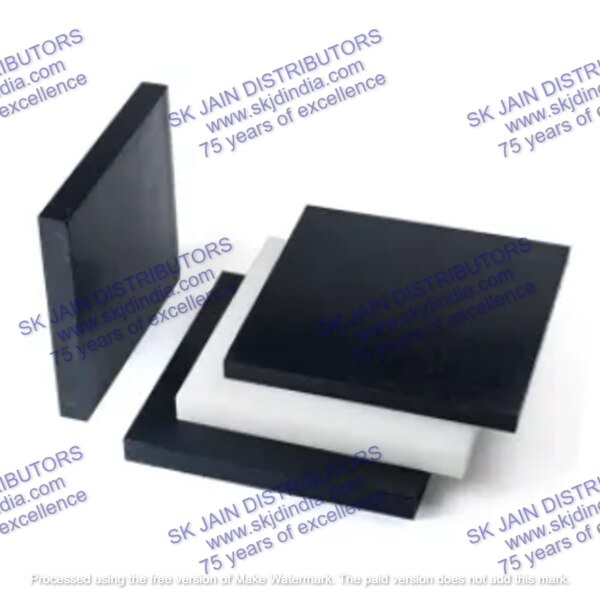
Polyoxymethylene (POM), also known as acetal, is a high-performance thermoplastic renowned for its exceptional combination of mechanical, electrical, and tribological properties. POM rods and sheets are widely used in various industries due to their versatility and durability. ### Properties of POM Rods and Sheets POM rods and sheets exhibit the following properties: 1. **High Strength and Stiffness:** Excellent tensile strength, rigidity, and creep resistance for high-load applications. 2. **Low Friction and Wear Resistance:** Naturally low coefficient of friction reduces wear and tear during sliding contact. 3. **Dimensional Stability:** Maintains shape and size under varying temperature and humidity conditions. 4. **Electrical Insulation:** Excellent electrical insulation with high dielectric strength and low electrical conductivity. 5. **Chemical Resistance:** Resistant to most solvents, acids, and bases, suitable for corrosive environments. ### Applications of POM Rods and Sheets POM rods and sheets are used in various industries for applications such as: 1. **Automotive:** Gears, bearings, bushings, housings. 2. **Industrial Machinery:** Cams, rollers, guides, sprockets. 3. **Food Processing:** Conveyor belts, gears, food-contact surfaces. 4. **Aerospace:** Structural components, gears, seals. 5. **Medical:** Surgical instruments, implants, prosthetics. 6. **Electronics:** Housings, connectors, insulators. ### Advantages of POM Rods and Sheets 1. **Excellent Mechanical Properties:** High strength-to-weight ratio for demanding applications. 2. **Low Friction and Wear:** Reduces maintenance costs and extends component life. 3. **Corrosion Resistance:** Suitable for use in harsh environments. 4. **Versatility:** Easily machined, molded, or fabricated into complex shapes. 5. **Cost-Effective:** Relatively economical material compared to other options. ### Conclusion POM rods and sheets are versatile engineering plastics known for their exceptional mechanical properties, electrical insulation, and chemical resistance. Their machinability and cost-effectiveness make them suitable for a wide range of applications across industries such as automotive, industrial machinery, food processing, aerospace, medical, and electronics. By leveraging the unique characteristics of POM, engineers can design and manufacture durable and reliable components to meet the demands of diverse applications.
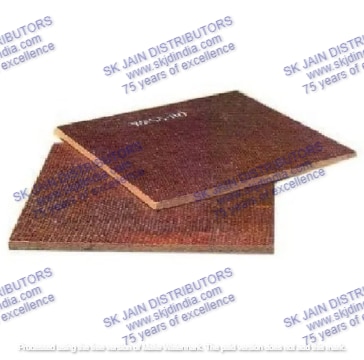
Brake linings are an essential component of any braking system, providing the necessary friction to slow down or stop a vehicle. These linings are made from a variety of materials, including metallic and non-metallic sheets. In this article, we will delve into the world of brake lining materials, exploring the differences between metallic and non-metallic sheets, their advantages and disadvantages, and their applications in various industries.
Metallic Brake Lining Sheets
Metallic brake lining sheets are made from a combination of metal fibers and other materials, such as copper, steel, and iron. These sheets are known for their high-temperature resistance, durability, and excellent heat dissipation properties.
Advantages of Metallic Brake Lining Sheets:
High-temperature resistance: Metallic brake lining sheets can withstand high temperatures without losing their structural integrity or performance, making them ideal for use in high-performance vehicles and heavy-duty applications.
Durability: Metallic brake lining sheets are highly resistant to wear and tear, ensuring a longer lifespan compared to non-metallic alternatives.
Heat dissipation: The metal fibers in metallic brake lining sheets help to dissipate heat effectively, preventing overheating and potential brake failure.
Consistent performance: Metallic brake lining sheets provide consistent braking performance, even under extreme conditions.
Disadvantages of Metallic Brake Lining Sheets:
Noise: Metallic brake lining sheets can produce more noise than non-metallic alternatives, which may be undesirable in certain applications.
Cost: Metallic brake lining sheets are generally more expensive than non-metallic alternatives due to the use of high-quality materials and advanced manufacturing processes.
Non-Metallic Brake Lining Sheets
Non-metallic brake lining sheets are made from a variety of materials, including asbestos, ceramic, and organic compounds. These sheets are known for their quiet operation, low cost, and excellent wear resistance.
Advantages of Non-Metallic Brake Lining Sheets:
Quiet operation: Non-metallic brake lining sheets produce less noise than metallic alternatives, making them ideal for use in passenger vehicles and other applications where noise reduction is a priority.
Cost: Non-metallic brake lining sheets are generally less expensive than metallic alternatives, making them a more affordable option for many applications.
Wear resistance: Non-metallic brake lining sheets are highly resistant to wear, ensuring a longer lifespan compared to some metallic alternatives.
Environmental concerns: Non-metallic brake lining sheets, particularly those made from organic compounds, are generally considered more environmentally friendly than metallic alternatives.
Disadvantages of Non-Metallic Brake Lining Sheets:
Temperature resistance: Non-metallic brake lining sheets may not perform as well as metallic alternatives in high-temperature environments, potentially leading to reduced braking performance or even brake failure.
Heat dissipation: Non-metallic brake lining sheets may not dissipate heat as effectively as metallic alternatives, increasing the risk of overheating and potential brake failure.
Consistency: Non-metallic brake lining sheets may not provide the same level of consistent performance as metallic alternatives, particularly in extreme conditions.
Applications of Metallic and Non-Metallic Brake Lining Sheets
Metallic brake lining sheets are commonly used in high-performance vehicles, heavy-duty applications, and other situations where high-temperature resistance, durability, and heat dissipation are critical. Examples include racing cars, trucks, and industrial machinery. Non-metallic brake lining sheets are more commonly used in passenger vehicles, where noise reduction and cost are primary concerns. Examples include cars, motorcycles, and light-duty trucks.
Conclusion
Brake lining materials play a crucial role in the performance and safety of any braking system. Metallic and non-metallic brake lining sheets each have their unique advantages and disadvantages, making them suitable for different applications. By understanding the differences between these materials, you can make an informed decision when selecting the appropriate brake lining sheets for your specific needs.
Silicone-Bonded Mica: A Versatile Material Silicone-bonded mica is a unique composite material, combining the exceptional properties of mica with the flexibility and durability of silicone. Let’s delve into its various forms, applications, and benefits: ### Silicone-Bonded Mica Sheets Silicone-bonded mica sheets are thin, flexible, and lightweight, suitable for diverse applications. They offer: 1. **Excellent Electrical Insulation:** Retaining mica’s natural insulating properties, they are ideal for electrical applications. 2. **High Thermal Stability:** Withstanding high temperatures, they find use in furnaces and ovens. 3. **Low Thermal Expansion:** Resistant to thermal shock, they remain intact during temperature fluctuations. 4. **Chemical Resistance:** Suitable for harsh chemical environments due to their resistance. ### Silicone-Bonded Mica Rods Cylindrical shapes formed by extrusion, silicone-bonded mica rods offer: 1. **High Dielectric Strength:** Ideal for high-voltage applications like insulators. 2. **Low Thermal Expansion:** Resistant to thermal shock. 3. **Chemical Resistance:** Suited for harsh chemical environments. 4. **High Mechanical Strength:** Strong and flexible, suitable for bearings and bushings. ### Silicone-Bonded Mica Tubes Hollow cylindrical shapes, also extruded, silicone-bonded mica tubes share similar benefits: 1. **High Dielectric Strength:** Ideal for high-voltage applications. 2. **Low Thermal Expansion:** Resistant to thermal shock. 3. **Chemical Resistance:** Suitable for harsh chemical environments. 4. **High Mechanical Strength:** Strong and flexible, ideal for bearings and bushings. ### Conclusion Silicone-bonded mica, with its unique blend of properties, has found wide applications across industries. Its strength, flexibility, electrical insulation, and thermal stability make it indispensable. As technology advances, its usage is expected to grow, cementing its status as a valuable material.
Asbestos Sheet – Durable, Heat Resistant & Economical Roofing Solution
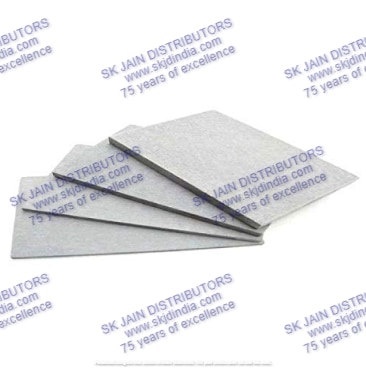
Asbestos Sheet is a strong, durable, and cost-effective building material widely used in roofing, wall cladding, and industrial applications. At SKJD India, we supply high-quality asbestos sheets that deliver exceptional heat resistance, mechanical strength, and long-term reliability. Whether used in factories, warehouses, agricultural buildings, or residential structures, asbestos cement sheets remain a preferred choice for their proven performance and affordability.
Properties of Asbestos Sheets
Asbestos Sheets are made from a composite of asbestos fibers and cement, resulting in a highly durable material with unique properties that make it suitable for demanding environments.
High Heat Resistance: Asbestos sheets can withstand extremely high temperatures without deforming, making them ideal for industrial and thermal insulation applications.
Excellent Strength and Rigidity: The combination of cement and asbestos fibers provides outstanding mechanical strength, ensuring structural stability even in harsh conditions.
Fire Resistance: Asbestos sheets are naturally fireproof, offering safety and protection in areas prone to heat or fire exposure.
Chemical and Weather Resistance: They are resistant to corrosion, acids, alkalis, and varying weather conditions, ensuring a longer lifespan with minimal maintenance.
Sound and Thermal Insulation: Asbestos roofing sheets offer good sound absorption and thermal insulation, maintaining comfortable indoor temperatures and reducing noise levels.
Applications of Asbestos Sheets
Due to their durability and resistance to environmental stress, asbestos cement sheets are used across multiple industries and building projects:
Roofing Applications: Commonly used for roofing in factories, warehouses, sheds, garages, and agricultural structures.
Wall Cladding and Partitioning: Used in industrial buildings and construction sites for partition walls and exterior cladding.
Thermal Insulation: Ideal for power plants, chemical plants, and refineries where heat insulation is essential.
Ceiling Panels and Duct Covering: Used in commercial and residential spaces for ceilings, ducts, and false roofing.
Protective Barriers: Suitable for use as heat shields and fireproof barriers in workshops and heavy-duty environments.
Benefits of Asbestos Sheets
Affordable and Long-Lasting: Asbestos sheets are a cost-effective alternative to metal or concrete roofing, offering decades of performance.
Low Maintenance: Resistant to rust, decay, and corrosion, asbestos sheets require minimal upkeep over time.
Excellent Weatherproofing: They provide strong protection against rain, heat, and wind, ensuring a durable and leak-proof roofing solution.
Versatile Design Options: Available in various sizes, thicknesses, and corrugation patterns to meet diverse structural and aesthetic needs.
Energy Efficiency: The thermal insulation property helps reduce heat transfer, keeping interiors cool and energy-efficient.
Why Choose SKJD India for Asbestos Sheets?
At SKJD India, we ensure that every asbestos sheet meets the highest quality and safety standards. Our sheets are manufactured using premium-grade materials and advanced production techniques to deliver maximum performance and reliability. We offer asbestos sheets suitable for industrial, agricultural, and residential roofing applications across India. Key Highlights:
Consistent quality and durability
Competitive pricing for bulk orders
On-time delivery across India
Technical assistance and customization options
Conclusion
Asbestos Sheets from SKJD India provide a proven, economical, and durable solution for all types of roofing and industrial applications. With superior heat resistance, strength, and longevity, our asbestos sheets continue to be trusted by engineers, builders, and industries nationwide. Order high-quality Asbestos Sheets from SKJD India today and experience dependable performance that lasts for years.
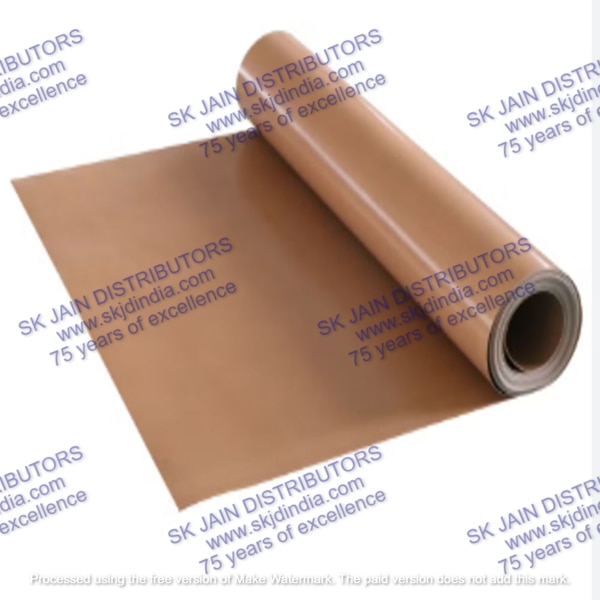
TEFLON COATED FIBRE GLASS CLOTH & TAPES (NITTO)
In the world of industrial and commercial applications, there are materials that stand out for their durability, versatility, and resistance to harsh conditions. One such material is Teflon-coated fibre glass cloth and tapes. These products have found their way into various industries, from aerospace to automotive, and from construction to electronics. This article delves into the unique properties, applications, and benefits of Teflon-coated fibre glass cloth and tapes.
What is Teflon-Coated Fibre Glass Cloth and Tape?
Teflon-coated fibre glass cloth and tape consist of a base layer of fibre glass cloth or tape coated with a thin layer of Teflon (polytetrafluoroethylene or PTFE). The combination of these two materials results in a product that is highly resistant to chemicals, heat, and abrasion, making it ideal for a wide range of applications.
Properties of Teflon-Coated Fibre Glass Cloth and Tape
Here are some key properties that make these materials so versatile:
Chemical Resistance: Teflon-coated fibre glass cloth and tape are highly resistant to a wide range of chemicals, including acids, alkalis, and solvents. This makes them ideal for use in chemical processing plants, laboratories, and other environments where chemical exposure is a concern.
Heat Resistance: The Teflon coating provides excellent heat resistance, withstanding temperatures up to 500°F (260°C). This makes it suitable for high-temperature applications, such as in the aerospace and automotive industries.
Abrasion Resistance: The fibre glass base layer provides excellent abrasion resistance, ideal for applications where friction and wear are a concern.
Electrical Insulation: Teflon-coated fibre glass cloth and tape offer a dielectric strength of up to 200 volts per mil, making them suitable for electrical and electronic applications.
Flexibility: Despite their robust properties, these materials remain flexible and easy to work with, allowing them to be used in various applications.
Applications of Teflon-Coated Fibre Glass Cloth and Tape
These materials are used in a wide range of industries. Here are some common applications:
Aerospace: Used for insulation, gaskets, and seals due to their heat and chemical resistance, making them ideal for high-temperature and corrosive environments.
Automotive: Utilized for gaskets, seals, and insulation in engine compartments and other high-temperature areas due to their heat and abrasion resistance.
Construction: Used for roofing, waterproofing, and insulation due to their durability and resistance to harsh environments.
Electronics: Used for insulation and seals in high-voltage and sensitive electronic applications due to their electrical insulation properties.
Laboratory: Ideal for chemical storage and processing due to their chemical resistance, making them suitable for environments with high chemical exposure.
Benefits of Teflon-Coated Fibre Glass Cloth and Tape
Here are some of the benefits that make these materials an attractive option:
Durability: Highly durable materials that can withstand harsh conditions, ensuring long-term use in various applications.
Versatility: Their unique combination of properties makes them suitable for a wide range of applications, from aerospace to electronics.
Cost-Effectiveness: Despite their high-performance properties, they are relatively cost-effective, making them attractive for many applications.
Ease of Use: Easy to work with, suitable for a wide range of projects, from DIY to large-scale industrial applications.
Conclusion
Teflon-coated fibre glass cloth and tapes are versatile materials with a unique combination of properties, including chemical resistance, heat resistance, abrasion resistance, electrical insulation, and flexibility. These materials have applications in various industries, from aerospace to automotive, construction to electronics. Their durability, versatility, and cost-effectiveness make them a compelling choice for a wide range of uses. Whether you’re working on a DIY project or managing a large-scale industrial application, these materials are worth considering.
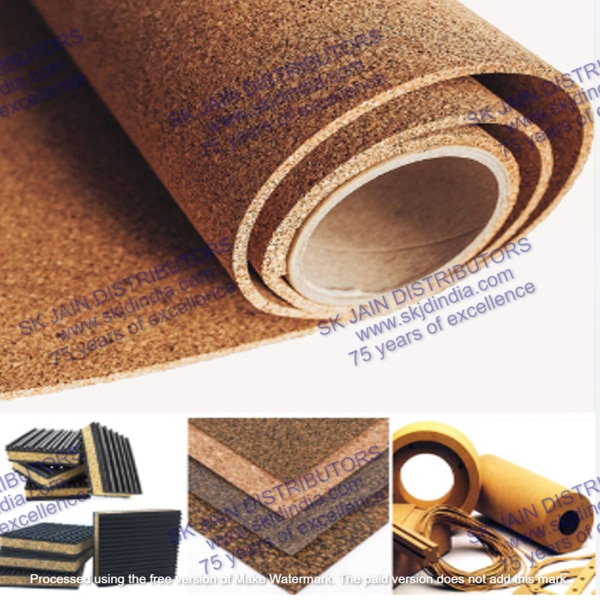
RUBBERISED CORK SHEETS & WASHERS
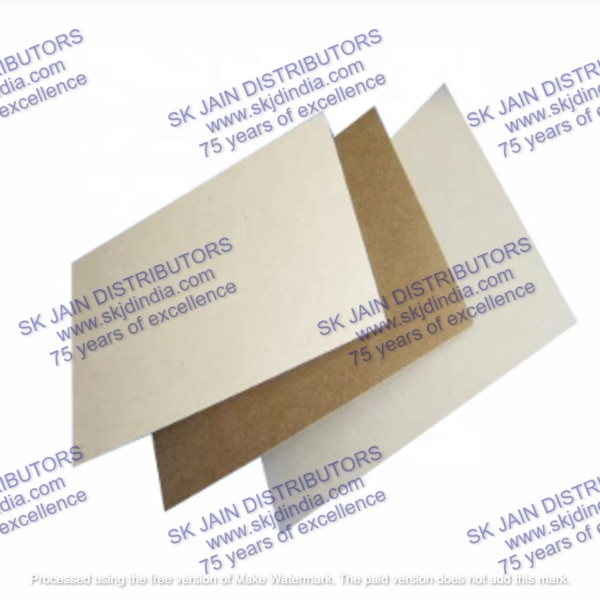
Rubberized cork sheets and washers are innovative materials that have gained popularity in various industrial and commercial applications. These products are created by combining natural cork with rubber, resulting in a material that offers the best properties of both substances. The unique combination of cork and rubber provides excellent resistance to oil, water, and chemicals, making it suitable for use in gaskets, seals, insulation, and vibration-dampening applications.
Properties and Benefits
The unique properties of rubberized cork sheets and washers make them ideal for applications where a durable, flexible, and resilient material is required. The rubber component enhances the strength and flexibility of the cork, while the cork component provides excellent compressibility and resilience. As a result, these materials are commonly used in automotive, aerospace, electrical, and plumbing industries, where they are valued for their ability to provide reliable sealing and insulation in a wide range of operating conditions.
Automotive Industry
In the automotive industry, rubberized cork sheets and washers are used in various applications, such as engine mounts, suspension bushings, and vibration dampers. The material’s excellent resistance to oil, water, and chemicals makes it suitable for use in harsh environments, such as under the hood of a vehicle. Additionally, the material’s ability to absorb vibrations and noise makes it an ideal choice for improving the overall driving experience.
Aerospace Industry
In the aerospace industry, rubberized cork sheets and washers are used in applications such as aircraft seals, gaskets, and insulation. The material’s lightweight nature and excellent resistance to extreme temperatures make it an ideal choice for use in aircraft components. Furthermore, the material’s ability to provide reliable sealing and insulation ensures that the aircraft’s systems remain protected from external elements.
Electrical Industry
In the electrical industry, rubberized cork sheets and washers are used in applications such as electrical insulation, gaskets, and seals. The material’s excellent resistance to electricity and chemicals makes it an ideal choice for use in electrical components. Additionally, the material’s ability to provide reliable sealing and insulation ensures that electrical systems remain protected from external elements.
Plumbing Industry
In the plumbing industry, rubberized cork sheets and washers are used in applications such as pipe insulation, gaskets, and seals. The material’s excellent resistance to water and chemicals makes it an ideal choice for use in plumbing components. Furthermore, the material’s ability to provide reliable sealing and insulation ensures that plumbing systems remain protected from external elements.
Household Applications
Rubberized cork sheets are versatile and can be used in a variety of household applications, including:
Walls: Rubberized cork sheets can be used as wallcovering in residential, commercial, and industrial buildings. They are particularly suitable for areas where sound absorption and insulation are important, such as offices, libraries, and music studios.
Ceilings: Rubberized cork sheets can be installed on ceilings to reduce noise pollution and improve acoustics. They can also provide insulation and contribute to a more comfortable indoor environment.
Flooring: Rubberized cork sheets can be used as flooring in areas where durability, sound absorption, and insulation are important, such as gyms, hospitals, and schools.
Installation
Rubberized cork sheets are relatively easy to install. They can be glued, stapled, or nailed to walls or ceilings. Proper installation is essential to ensure durability and performance.
Manufacturing Processes and Considerations
The manufacturing process of rubberized cork sheets and washers involves combining natural cork with rubber, which can be done through various methods, such as molding, extrusion, or compression. The choice of manufacturing process depends on the specific application and the desired properties of the final product. When selecting the right material for a specific application, it is essential to consider factors such as the operating environment, the required level of sealing and insulation, and the desired mechanical properties. Additionally, it is crucial to ensure that the material meets the relevant industry standards and certifications.
Conclusion
Rubberized cork sheets and washers are versatile materials that offer excellent resistance to oil, water, and chemicals, making them suitable for use in various industrial and commercial applications. The unique combination of cork and rubber provides excellent compressibility, resilience, and flexibility, making these materials ideal for applications where a durable, flexible, and resilient material is required. As a result, rubberized cork sheets and washers are commonly used in automotive, aerospace, electrical, and plumbing industries, where they are valued for their ability to provide reliable sealing and insulation in a wide range of operating conditions. “`
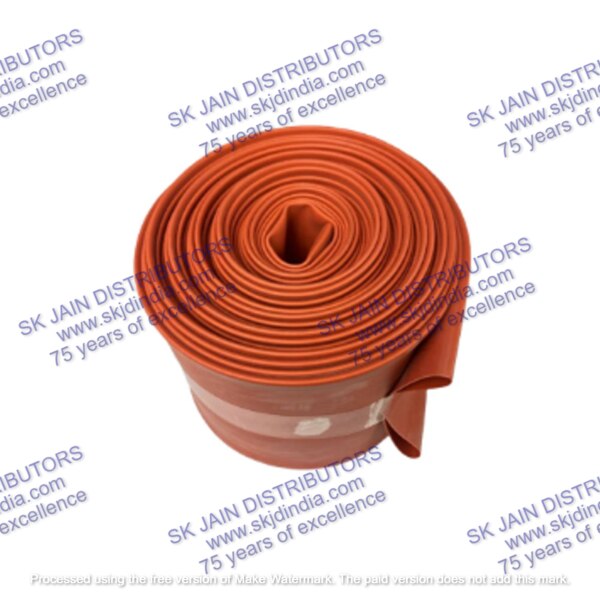
SILICONE COATED FIBERGLASS SLEEVE
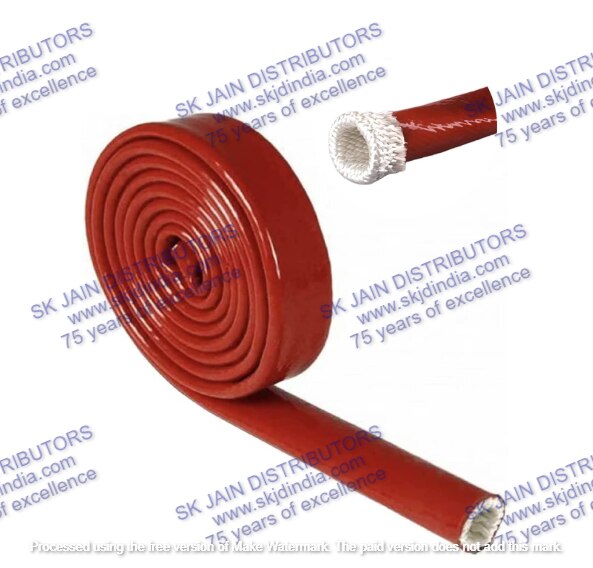
In a world where machinery runs hotter, environments become harsher, and reliability is paramount, protecting our critical electrical wiring, hydraulic lines, and cables is more important than ever. While many solutions exist, one unsung hero consistently rises to the challenge: the silicone coated fiberglass sleeve. Far more than just a simple “cover,” these sleeves are engineered powerhouses, combining the best properties of two robust materials to create an unparalleled protective barrier. If you’re involved in automotive, aerospace, industrial, or even high-performance DIY projects, understanding this ingenious product can save you time, money, and potential headaches. What Exactly Is a Silicone Coated Fiberglass Sleeve? Let’s break it down:
The Fiberglass Core: At its heart, the sleeve is woven or braided from high-quality fiberglass yarns. Fiberglass is renowned for its:
Exceptional High-Temperature Resistance: It can withstand extreme heat without melting or degrading.
Inherent Strength: Providing excellent mechanical and abrasion resistance.
Non-Conductivity: Offering a foundational level of electrical insulation.
The Silicone Coating: This is where the magic truly happens. The fiberglass braid is meticulously coated with a layer of high-temperature silicone rubber. This coating transforms the sleeve, adding a host of critical benefits:
Enhanced High-Temperature Performance: While fiberglass is good, silicone elevates its resistance, often providing protection up to 260°C (500°F) or even higher for short periods.
Superior Electrical Insulation: Silicone significantly boosts the dielectric strength, preventing electrical arcing and short circuits.
Moisture and Chemical Resistance: It acts as an impermeable barrier against water, oils, fuels, solvents, and corrosive chemicals.
Flexibility and Elasticity: Unlike rigid conduits, silicone allows the sleeve to bend, flex, and stretch, making installation easier and accommodating movement in dynamic applications.
Abrasion Resistance Upgrade: The smooth, tough silicone surface guards against chafing, cuts, and wear from rubbing against other components.
Flame Retardancy: Many silicone coatings are inherently flame retardant, and some are designed to self-extinguish, offering an additional layer of safety.
Non-Tacky Surface: The smooth silicone coating resists dust and dirt accumulation and prevents adhesion to other components, ensuring freedom of movement.
Why Choose This Powerhouse? Key Benefits at a Glance:
Extreme Heat Protection: Safeguard wires and hoses from engine heat, exhaust manifolds, industrial furnaces, and other high-temperature sources.
Prevent Electrical Failures: High dielectric strength ensures electrical integrity and prevents dangerous shorts.
Extend Component Lifespan: Protects against physical wear, chemical attack, and thermal degradation, significantly prolonging the life of your cables and hoses.
Enhance Safety: Reduces fire hazards, protects personnel from hot surfaces, and prevents electrical shocks.
Versatile Application: Suitable for a vast range of industries and challenging environments.
Easy to Install: Its flexibility allows for quick and efficient routing around complex shapes and tight spaces.
Where You’ll Find Them: Common Applications The versatility of silicone coated fiberglass sleeves makes them indispensable across numerous sectors:
Automotive: Protecting sensitive wiring, fuel lines, brake lines, and vacuum hoses from engine heat, oil, and abrasion in engine bays and chassis.
Aerospace: Shielding critical avionics wiring and hydraulic lines from extreme temperatures, fluids, and vibration.
Industrial: Insulating electrical cables in manufacturing equipment, protecting hydraulic lines near furnaces, machinery in steel mills, foundries, and chemical plants.
Marine: Protecting electrical systems and fluid lines from salt water, engine heat, and fuel exposure.
Appliances: Used in ovens, ranges, and other high-heat appliances to insulate wiring.
Power Generation: Protecting cables and sensors in turbines and generators.
Rail & Mass Transit: Ensuring the reliability and safety of electrical and fluid systems in locomotives and train cars.
PVC SLEEVINGS AND TUBINGS
Polyvinyl chloride (PVC) is a widely used synthetic plastic polymer that has found its way into numerous industries due to its versatility, durability, and cost-effectiveness. Among the various forms of PVC products, PVC sleevings and tubings are particularly noteworthy for their diverse applications in various sectors. This article aims to provide a comprehensive guide to the uses and applications of PVC sleevings and tubings.
What are PVC Sleevings and Tubings?
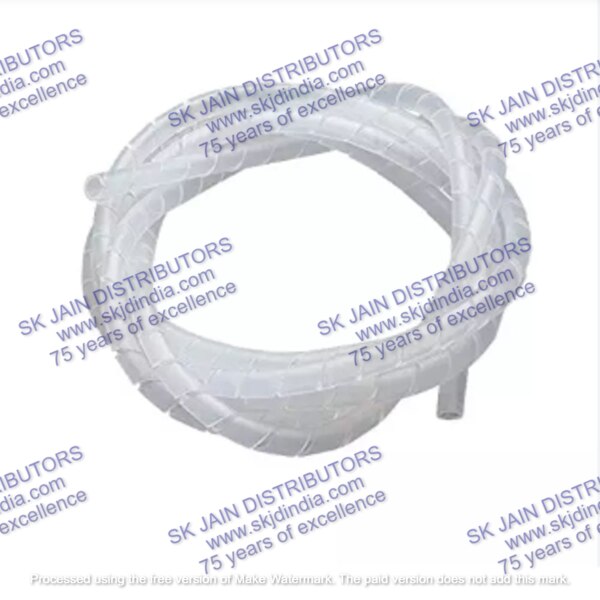
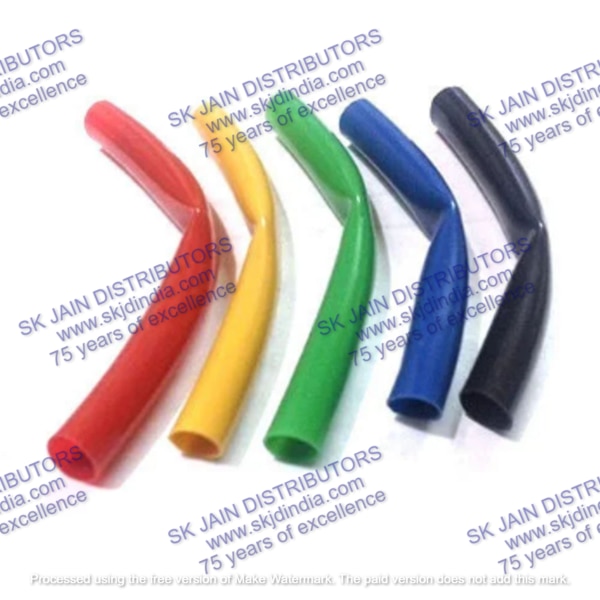
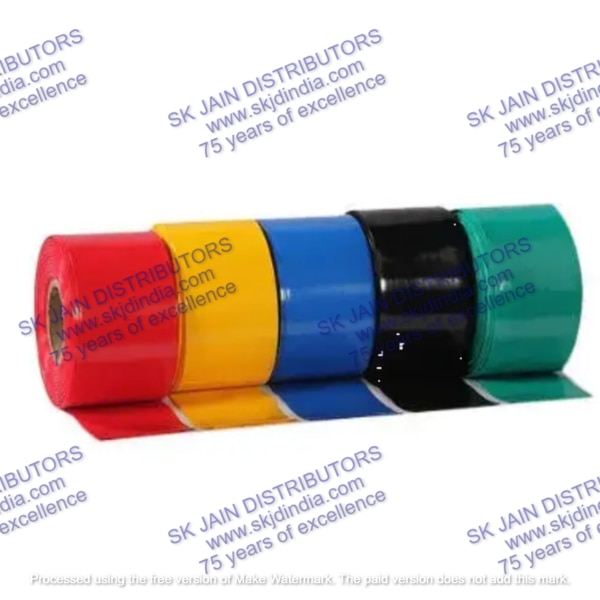
PVC sleevings and tubings are flexible, lightweight, and durable products made from PVC material. They are available in a wide range of sizes, colors, and thicknesses to suit various applications. PVC sleevings are typically used to protect and insulate wires, cables, and hoses, while PVC tubings are commonly used for fluid transfer, air ducting, and other similar applications.
Properties of PVC Sleevings and Tubings
Durability: PVC sleevings and tubings are highly resistant to abrasion, impact, and chemicals, making them suitable for use in harsh environments.
Flexibility: PVC is a flexible material, which allows PVC sleevings and tubings to be easily bent and shaped to fit various applications.
Insulation: PVC sleevings provide excellent electrical insulation, protecting wires and cables from damage and short circuits.
Resistance to Moisture: PVC sleevings and tubings are resistant to moisture, making them suitable for use in damp or wet environments.
Cost-Effective: PVC is a relatively inexpensive material, which makes PVC sleevings and tubings a cost-effective solution for various applications.
Uses and Applications of PVC Sleevings
Wire and Cable Protection: PVC sleevings are commonly used to protect and insulate wires and cables from damage, abrasion, and environmental factors.
Hose Protection: PVC sleevings can be used to protect hoses from wear and tear, as well as to provide a smooth, non-stick surface for fluid transfer.
Cable Management: PVC sleevings can be used to organize and bundle cables and wires, making them easier to manage and maintain.
Electrical Insulation: PVC sleevings provide excellent electrical insulation, protecting wires and cables from short circuits and electrical hazards.
Aesthetic Purposes: PVC sleevings can be used to enhance the appearance of wires and cables, making them more visually appealing.
Uses and Applications of PVC Tubings
Fluid Transfer: PVC tubings are commonly used for the transfer of fluids, such as water, chemicals, and gases, in various industries, including agriculture, construction, and manufacturing.
Air Ducting: PVC tubings can be used for air ducting in HVAC systems, providing a cost-effective and durable solution for air distribution.
Plumbing: PVC tubings are widely used in plumbing applications, such as drainage systems, water supply lines, and irrigation systems.
Food and Beverage Industry: PVC tubings are used in the food and beverage industry for the transfer of food-grade liquids and gases, as PVC is a safe and non-toxic material.
Medical and Laboratory Applications: PVC tubings are used in medical and laboratory applications for the transfer of fluids and gases, as PVC is a sterile and non-reactive material.
Conclusion
PVC sleevings and tubings are versatile and cost-effective products that have found their way into numerous industries due to their durability, flexibility, and resistance to moisture and chemicals. Their diverse applications range from wire and cable protection to fluid transfer, air ducting, and plumbing, making them an essential component in various sectors. As the demand for PVC products continues to grow, it is likely that PVC sleevings and tubings will remain a popular choice for a wide range of applications.