Delhi
08048034498
+919654967967

Products

6814772a5d263414004dd4a4 Card 2

product image

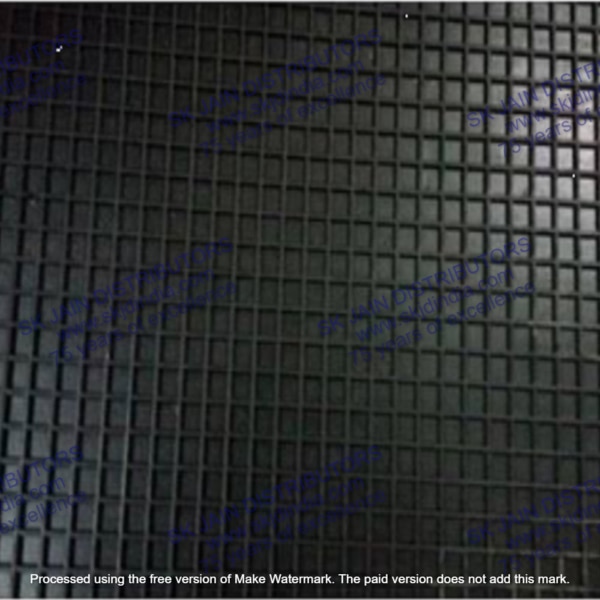
In the realm of electrical safety, chequered electrical mats play a crucial role in providing a safe working environment. These mats, made of rubber, are designed to protect workers from electrical hazards and prevent accidents. In India, the standard for chequered electrical mats is set by the Indian Standard (IS) 5424. This article aims to provide a comprehensive guide to chequered electrical mats, focusing on their design, materials, and the IS 5424 standard. Design and Materials Chequered electrical mats are designed to provide a safe and non-conductive surface for workers in electrical environments. The mats are made of high-quality rubber, which is an excellent insulator and provides excellent resistance to electrical currents. The chequered pattern on the mat’s surface helps to increase the surface area, which in turn enhances the mat’s insulating properties. The chequered pattern also provides a slip-resistant surface, ensuring that workers can move around safely without the risk of slipping or falling. The mats are typically available in various sizes and thicknesses to cater to different applications and environments. IS 5424 Standard The Indian Standard (IS) 5424 is the benchmark for chequered electrical mats in India. This standard specifies the requirements for the design, construction, and testing of chequered electrical mats. The standard ensures that the mats meet the necessary safety requirements and provide adequate protection to workers in electrical environments. Some of the key requirements of the IS 5424 standard include: Insulation Resistance: The insulation resistance of the mat should be at least 100 MΩ when tested under dry conditions. This ensures that the mat provides adequate insulation against electrical currents. Dielectric Strength: The dielectric strength of the mat should be at least 10 kV when tested under wet conditions. This ensures that the mat can withstand high voltages without breaking down. Surface Resistance: The surface resistance of the mat should be at least 10^9 Ω when tested under dry conditions. This ensures that the mat provides adequate protection against electrical shocks. Dimensional Stability: The mat should maintain its dimensions and shape under various environmental conditions, such as temperature and humidity. Slip Resistance: The mat should provide a slip-resistant surface to prevent accidents and injuries. Durability: The mat should be durable and resistant to wear and tear, ensuring that it can withstand the rigors of daily use in industrial environments. Conclusion Chequered electrical mats are an essential component of electrical safety in industrial environments. The Indian Standard (IS) 5424 ensures that these mats meet the necessary safety requirements and provide adequate protection to workers. By adhering to this standard, manufacturers can ensure that their chequered electrical mats are of the highest quality and provide the best possible protection to workers in electrical environments. “`

6814772a5d263414004dd4a4 Card 2

product image
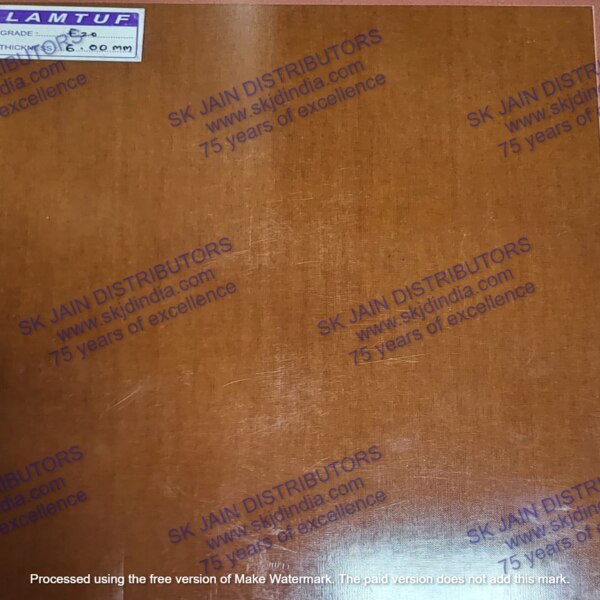
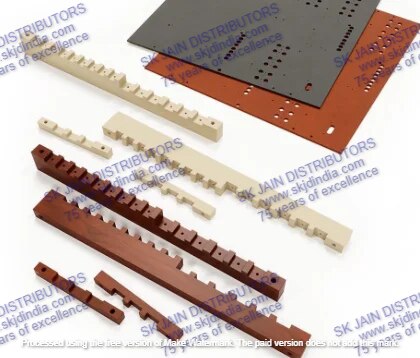
PHENOLIC BAKELITE HYLAM (FABRIC BASE) SHEETS, RODS & TUBES

PHENOLIC BAKELITE HYLAM (FABRIC BASE) SHEETS, RODS & TUBES Phenolic Bakelite Hylam (Fabric Base): A Durable and Versatile Material Phenolic Bakelite Hylam, also known as fabric-based phenolic laminate, is a composite material that combines phenolic resin with fabric layers. This results in a material with excellent mechanical, electrical, and thermal properties, making it suitable for various demanding applications. Here, we explore the different forms of Phenolic Bakelite Hylam, including sheets, rods, and tubes, along with their applications and benefits: Phenolic Bakelite Hylam Sheets Phenolic Bakelite Hylam sheets are sturdy and versatile, used in a range of applications due to their robust properties. They offer: High Mechanical Strength: The fabric reinforcement provides exceptional tensile and flexural strength, making these sheets ideal for structural applications. Electrical Insulation: Phenolic resin’s insulating properties make these sheets perfect for electrical components and insulation. Thermal Resistance: These sheets can withstand high temperatures, making them suitable for applications in heated environments. Chemical Resistance: Resistant to various chemicals, they are suitable for use in corrosive environments. Phenolic Bakelite Hylam Rods Cylindrical shapes of Phenolic Bakelite Hylam formed by extrusion or molding offer: High Mechanical Strength: Ideal for applications requiring durable and strong materials, such as in mechanical and structural components. Electrical Insulation: Excellent dielectric properties make these rods suitable for electrical applications. Thermal Stability: They can withstand high temperatures, making them reliable for use in heat-intensive environments. Wear Resistance: The fabric base enhances wear resistance, making these rods durable and long-lasting. Phenolic Bakelite Hylam Tubes Hollow cylindrical forms of Phenolic Bakelite Hylam, also extruded or molded, offer similar benefits: High Mechanical Strength: Suitable for use in structural applications requiring high strength and durability. Electrical Insulation: Their excellent insulating properties make these tubes ideal for electrical applications. Thermal Resistance: They maintain stability under high temperatures. Chemical Resistance: Resistant to various chemicals, these tubes are suitable for corrosive environments. Applications of Phenolic Bakelite Hylam Due to their unique properties, Phenolic Bakelite Hylam sheets, rods, and tubes find applications across various industries: Electrical and Electronics: Used for insulating components, switchgear, and electrical panels due to their dielectric properties. Automotive: Employed in manufacturing gears, bearings, and other high-strength components. Industrial Machinery: Utilized for creating durable parts such as gears, pulleys, and wear-resistant components. Aerospace: Used for high-strength and heat-resistant parts. Marine: Suitable for applications requiring chemical resistance and durability. Conclusion Phenolic Bakelite Hylam (fabric base) is a versatile material offering a unique combination of mechanical strength, electrical insulation, thermal resistance, and chemical resistance. Available in sheets, rods, and tubes, it is ideal for a wide range of demanding applications across various industries. As technology and industrial requirements evolve, the use of Phenolic Bakelite Hylam is expected to expand, reinforcing its importance as a valuable engineering material.

6814772a5d263414004dd4a4 Card 2

product image
Electrical Insulating Mat IS 15652

Electrical Insulating Mat IS 15652 Electrical insulating mats play a crucial role in ensuring the safety of workers in high-voltage environments. These mats, conforming to the Indian Standard (IS) 15652:2006, provide a reliable and efficient solution for insulation and protection against electrical shocks up to 66 KV. In this article, we will delve into the features, specifications, and applications of these high-voltage insulating mats. Key Features and Specifications High Voltage Insulation: The electrical insulating mats conforming to IS 15652:2006 are designed to provide insulation against high-voltage electrical shocks up to 66 KV. This ensures the safety of workers in high-voltage environments, such as substations, switchgear, control panels, transformer rooms, battery rooms, and generator rooms. ISI Marked: These insulating mats are ISI (Indian Standards Institute) marked, which guarantees their quality and adherence to the specified standards. This mark ensures that the mats meet the necessary safety requirements and are suitable for use in high-voltage environments. Pasteable Type: The electrical insulating mats are of the pasteable type, which means they can be permanently fixed to the floor, providing a smooth and uninterrupted surface for trolley movement. This feature ensures that the mats do not pose any tripping hazards and contribute to a safe working environment. Moisture-Proof and Fire Retardant: The insulating mats are designed to be moisture-proof and fire retardant, ensuring that they can withstand harsh environmental conditions and provide reliable insulation even in the presence of moisture or fire. Resistance to Chemicals: The mats are resistant to the adverse effects of acids, alkalis, transformer oil, and diesel. This ensures that the mats maintain their insulating properties even when exposed to these chemicals, which are commonly found in high-voltage environments. Thickness: The electrical insulating mats are available in three different thicknesses—2mm (1.1KV), 2.5mm (11KV), and 3mm (33KV). The choice of thickness depends on the voltage levels and the specific requirements of the installation. Applications The high-voltage insulating mats conforming to IS 15652:2006 are recommended for use in a variety of high-voltage environments, including: AC 66 KV and DC 240 V installations in substations HT (High Tension) and LT (Low Tension) switchgear Control panels Transformer rooms Battery rooms Generator rooms Bus bar panels Conclusion Electrical insulating mats conforming to IS 15652:2006 are an essential component of high-voltage environments, providing reliable insulation and protection against electrical shocks up to 66 KV. These mats are ISI marked, ensuring their quality and adherence to the specified standards. With their moisture-proof, fire retardant, and chemical-resistant properties, these insulating mats contribute to a safe working environment for workers in high-voltage installations.

6814772a5d263414004dd4a4 Card 2

product image
PHENOLIC BAKELITE HYLAM (PAPER BASE) SHEETS, RODS & TUBES

PHENOLIC BAKELITE HYLAM (PAPER BASE) SHEETS, RODS & TUBES Phenolic Bakelite, a thermosetting plastic, has been widely used in various industries due to its excellent electrical, mechanical, and thermal properties. It is commonly available in the form of sheets, rods, and tubes, which are graded according to the Indian Standard (IS) 2036 and the National Electrical Manufacturers Association (NEMA) standards. This article aims to provide a comprehensive understanding of these grades and their applications, particularly in Electrostatic Discharge (ESD) sensitive environments. IS-2036 Grades (P-1, P-2, P-3, and P-4) The IS-2036 standard classifies phenolic Bakelite into four grades (P-1, P-2, P-3, and P-4) based on their mechanical, electrical, and thermal properties. These grades are widely used in various industries, including electronics, automotive, and aerospace. P-1 Grade: This grade is characterized by its high mechanical strength, low electrical conductivity, and excellent thermal stability. P-1 grade phenolic Bakelite is commonly used in applications that require high-temperature resistance and low electrical conductivity, such as electrical insulators and high-temperature gaskets. P-2 Grade: The P-2 grade offers a balance between mechanical strength, electrical conductivity, and thermal stability. It is suitable for applications that require moderate electrical conductivity and good mechanical strength, such as electrical connectors and switches. P-3 Grade: This grade is specifically designed for applications that require high electrical conductivity and good mechanical strength. P-3 grade phenolic Bakelite is commonly used in ESD sensitive environments, such as electronics manufacturing and assembly, to prevent damage caused by electrostatic discharge. P-4 Grade: The P-4 grade offers the highest electrical conductivity among the four grades, making it ideal for applications that require maximum protection against ESD, such as ESD mats and workbenches. NEMA Grades The NEMA standard classifies phenolic Bakelite into three grades (NEMA Grade 1, Grade 2, and Grade 3) based on their electrical conductivity and mechanical strength. These grades are widely used in ESD sensitive environments. 1.NEMA Grade 1: This grade offers low electrical conductivity and good mechanical strength. It is suitable for applications that require moderate protection against ESD, such as electrical connectors and switches. 2. NEMA Grade 2: The NEMA Grade 2 offers a balance between electrical conductivity and mechanical strength. It is suitable for applications that require moderate to high protection against ESD, such as ESD mats and workbenches. 3. NEMA Grade 3: This grade offers the highest electrical conductivity among the three grades, making it ideal for applications that require maximum protection against ESD, such as ESD mats and workbenches. Conclusion Phenolic Bakelite sheets, rods, and tubes are available in various grades according to the IS-2036 and NEMA standards. These grades offer a range of mechanical, electrical, and thermal properties suitable for different applications. In ESD sensitive environments, P-3 and P-4 grades according to IS-2036 and NEMA Grade 3 are ideal for providing maximum protection against electrostatic discharge. Understanding these grades and their applications is crucial for selecting the appropriate phenolic Bakelite material for specific industrial needs.

Subcategory Tags

BAKELITESHEET HYLAMSHEET PHENOLICBAKELITESHEET BAKELITESHEETINDELHI BAKELITESHEETINCHANDNICHOWK POLYCARBONATE POLYCARBONATESHEET POLYCARBONATEROD POLYCARBONATEMULTIWALLSHEET OVERHEADLINECOVER OverHead OVERHEADINSULATIONCOVER PVCSHEET PVCTRANSPARENTSHEET CURTAIN PVCFLEXIBLESHEET heatshrinksleeve heatshrinkablesleeve LTSLEEVE HEATSHRINK DERLINSHEET WHITEDERLIN BLACKDERLIN DERLIN REDFIBERSHEET VULCANISEDFIBRESHEETS VULCANISEDREDFIBRESHEETS VULCANISEDSHEET ESDBAKELITESHEET ESD BLACKBAKELITESHEET ESDBAKELITE NYLONEXPANDABLESLEEVING EXPANDABLESLEEVING NYLONSLEEVING Flexitherm GP100 GreenInsulationPaper GreenInsulationPaper10MILL FlexithermGP100GreenInsulationPaper10MILL Densified DensifiedWoodLaminates DensifiedParmaliWood ParmaliWood PVCSLEEVINGS PVCSLEEVE PVC ELECTRICALPVCSLEEVE SILICONECOATEDFIBERGLASSSLEEVE FIBERGLASSSLEEVE SILICONEGLASSSLEEVE RUBBERISEDCORKSHEETS CORKSHEETS CORK TEFLON TEFLONTAPE CHAMPIONTAPE TEFLONCOATEDFIBREGLASSCLOTH NITTOTAPE TEFLONCLOTH HEATSHRINKTUBEHT HEATSHRINKTUBE 33KVHEATSHRINKSLEEVE ASBESTOSSHEET SYNDANIOSHEET SPIRALSLEEVE SPIRAL MICASHEET MICAROD MICATUBES MICATAPES BRAKELININGSHEET BRAKELININGMETTALICSHEET BRAKELININGNONMATTALICSHEET SiliconSpongeSHEET RUBBERSHEET EPDMRUBBERSHEET NEOPRINERUBBERSHEET SILICONERUBBERSHEET DISCHARGE/EARTHINGRODS DISCHARGERODS PVCRIGIDSHEET NYLON/METLON SHEETS, RODS,TUBES & HOLLOW PIPES METLONSHEET CASTNYLONSHEET PEEKSHEET PEEKROD POLYBUTYLENE SHEET POLYBUTYLENETEREPHTHALATE POLYBUTYLENETEREPHTHALATESHEET POLYBUTYLENETEREPHTHALATEROD PETSHEET PETROD Polycarbonate MULTIWALLPOLYCORBONATE BAKELITETUBE
Phone Number

08048034498

Please keep 0 before dialling the number.

Email Address info@skjdindia.com

Mon-Thu: 10 AM - 2 PM • Fri: 3 PM - 7AM

Address 1748,BHAGIRATH PALCE,CHANDNI CHOWK,DELHI-110006

Delhi, India, 110006